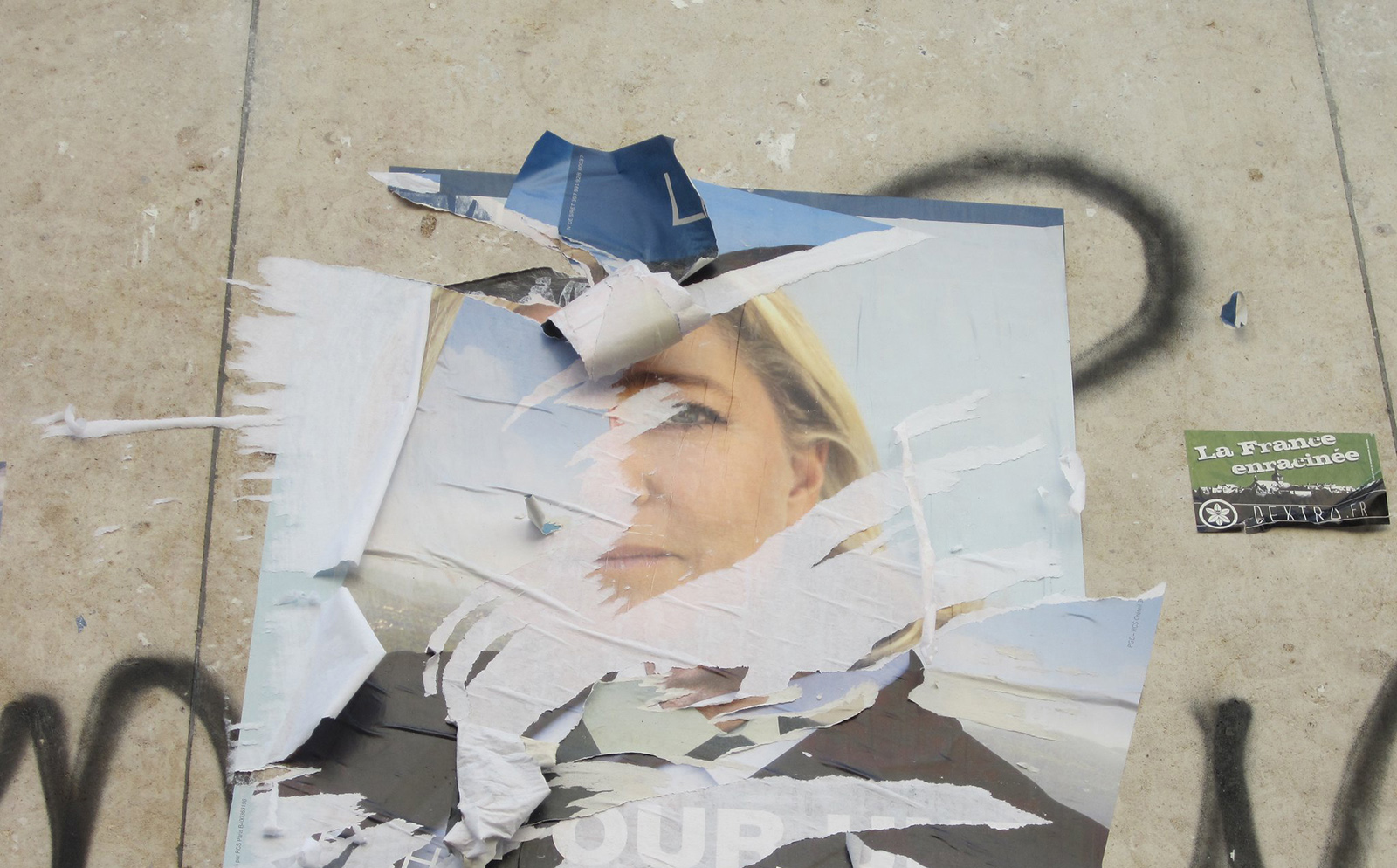
Populist leaders don’t just claim to represent the people – they embody them. Through strongman toughness or maternal guardianship, populists model idealised versions of a nation’s citizens, and they naturalise exclusion. Selina Mabrouki shows how contemporary populist leaders exploit gendered role models as tools of emotional persuasion
Master’s Student in Political Science, Stockholm University
Selina's research interests lie in populism and democratic theory, with a particular focus on gender, political leadership, and the affective dimensions of contemporary politics.
She is especially interested in how gendered representations shape inclusion and exclusion in contemporary populist movements.
Her work engages with feminist political theory and comparative perspectives on democracy.
We use cookies to ensure that we give you the best experience on our website. If you continue to use this site we will assume that you are happy with it.