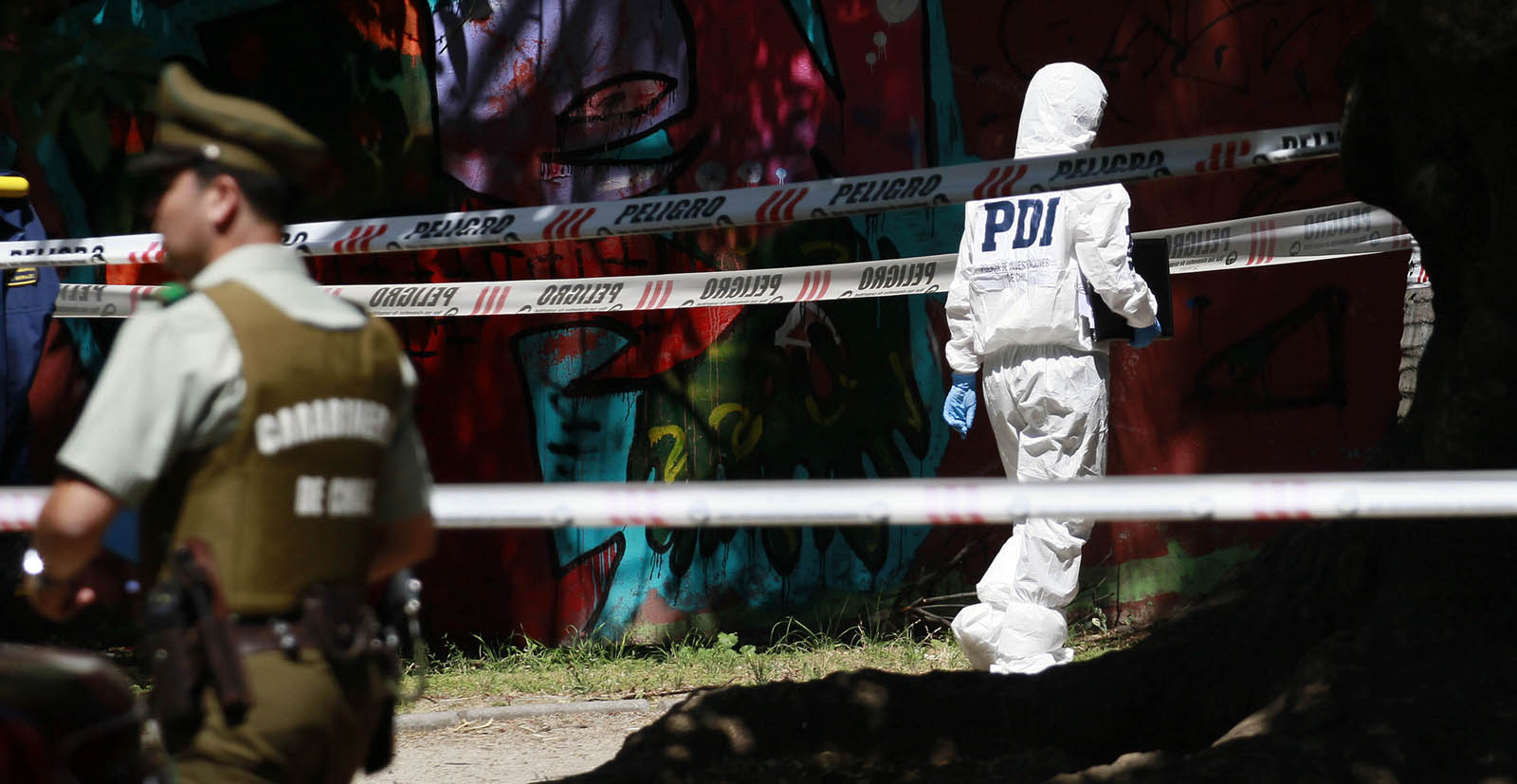
New forms of violence are appearing in Chile. These incidents, and the struggles for control between warring gangs that they reflect, are likely being imported from Columbia. Shauna N. Gillooly says this is the result of new migration patterns and a reconfiguration in transnational drug trafficking
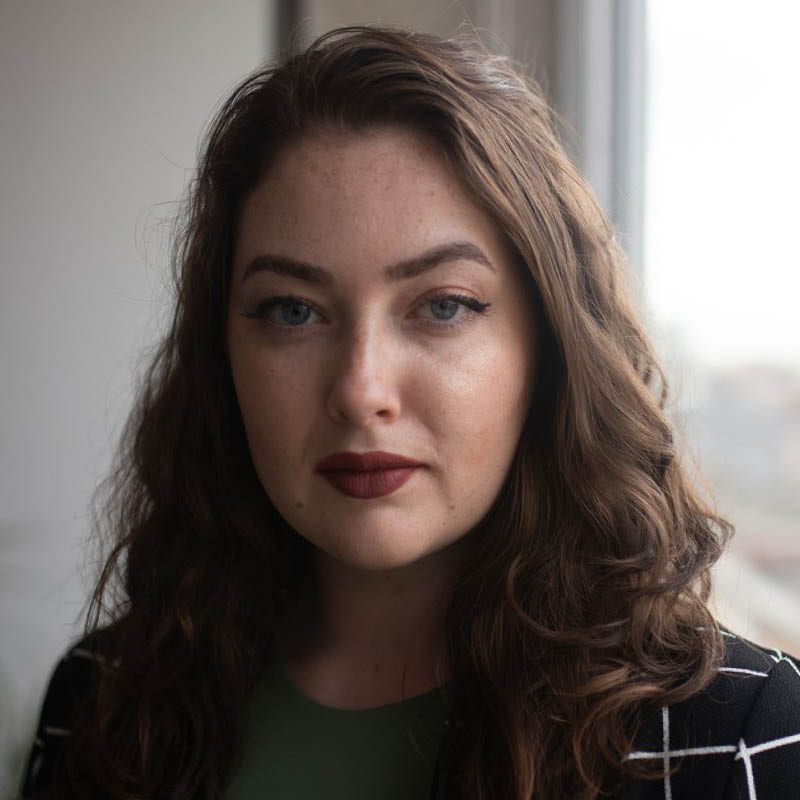
Assistant Professor of International Relations, Pontificia Universidad Católica de Chile
Shauna received her PhD in Political Science from the University of California, Irvine in September 2021.
She received her BSc (with honours) in International Affairs & Spanish Language from Florida State University in 2016, and her MA in Political Science from the University of California, Irvine in 2018.
Her dissertation research focused on the relationships between the international, national, and local levels during processes of peacebuilding and transitional justice amid continued political violence.
Shauna's primary case study is Colombia, where she has conducted extensive fieldwork for the past four years.
Her work has been supported by the Fulbright-Hays Doctoral Dissertation Research Abroad (DDRA) Fellowship, which provided funding for her fieldwork in the Pacific Coast of Colombia (Cauca, Nariño, and Valle del Cauca).
Continued work on this project serves as the foundation for her in-progress book manuscript.
Shauna's past work has focused on social movement transitions to political parties in Latin America, as well as the impact of political violence legacies on voter behaviour.
Her previous work has been published in academic journals such as Comparative Politics, PS: Political Science and Politics, Politics, Groups, and Identities, The Journal of Peacebuilding and Development, and PLOS ONE.
Shauna's work has also appeared in media outlets such as The Washington Post and The Conversation, and on policy-focused platforms such as E-International Relations.
In addition to her role at Pontificia Universidad Católica de Chile, Shauna is a visiting researcher with Instituto PENSAR at the Pontificia Universidad Javeriana in Bogotá, Colombia, and an Expert with the UNESCO Inclusive Policy Lab.
We use necessary cookies to make our site work. We'd also like to set analytics cookies that help us make improvements by measuring how you use the site. These will be set only if you accept.
▼
Strictly Necessary Cookies
Necessary cookies enable core functionality such as security, network management, and accessibility. You may disable these by changing your browser settings, but this may affect how the website functions.
▼
Analytics Cookies
Google Analytics
We'd like to set Google Analytics cookies to help us improve our website by collecting and reporting information on how you use it. The cookies collect information in a way that does not directly identify anyone. For more information on how these cookies work please see our Privacy Notice.