Serena Fraiese argues that transitional justice rarely collapses in one dramatic moment. In Guatemala and Tunisia, formal courts and legal bodies remain in place, but political actors have gradually repurposed them from within. This process of 'captured justice' weakens accountability, shrinks civic space, and makes the pursuit of truth, justice, and reparations increasingly difficult
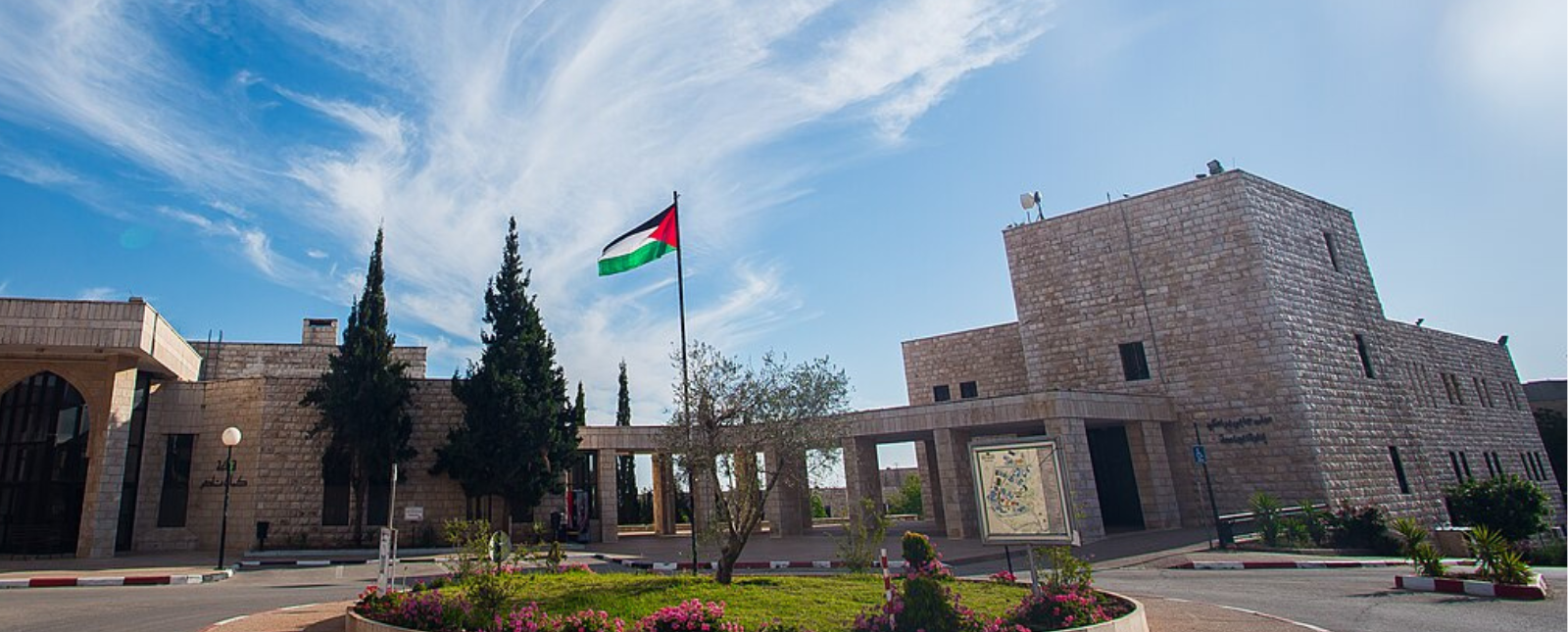
On 23 November 2025, Birzeit University in the Palestinian West Bank halted all teaching to mourn one of its law students, killed by Israeli gunfire in a nearby village. The case, says Serena Fraiese, reveals how freedom crumbles in the world outside academe before it even reaches campus
Penelope, wife of Odysseus in Homer’s Odyssey, who spent twenty years weaving and unweaving a shroud to delay remarriage and preserve her household, has come to symbolise fidelity, cunning, and endurance. Serena Fraiese argues that her story reveals characteristics that have become central to diplomacy in an age of uncertainty
Serena specialises in governance, conflict, and political authority in the Middle East and North Africa (MENA) and the wider Mediterranean region.
She teaches and conducts research in International Relations, Middle Eastern Studies, and Arab politics.
Her work examines how states and societies negotiate authority, legitimacy, security, and political change, including through emerging issues such as digital governance, cybersecurity, and artificial intelligence.
Alongside her academic work, she has extensive professional experience with international humanitarian organisations, working in coordination, security, risk management, and training across Africa, Asia, and the MENA region.
Her research is informed by both academic and field-based experience in conflict-affected and politically fragile environments.
Serena serves on the Advisory Committee of the International Law and Contemporary Societies series (L’Harmattan Italia).
Her work has appeared in publications including the British Journal of Middle Eastern Studies, Rivista di Digital Politics, International Legal Order and Human Rights (OIDU), and the Business and Human Rights Journal blog.
We use necessary cookies to make our site work. We'd also like to set analytics cookies that help us make improvements by measuring how you use the site. These will be set only if you accept.
▼
Strictly Necessary Cookies
Necessary cookies enable core functionality such as security, network management, and accessibility. You may disable these by changing your browser settings, but this may affect how the website functions.
▼
Analytics Cookies
Google Analytics
We'd like to set Google Analytics cookies to help us improve our website by collecting and reporting information on how you use it. The cookies collect information in a way that does not directly identify anyone. For more information on how these cookies work please see our Privacy Notice.