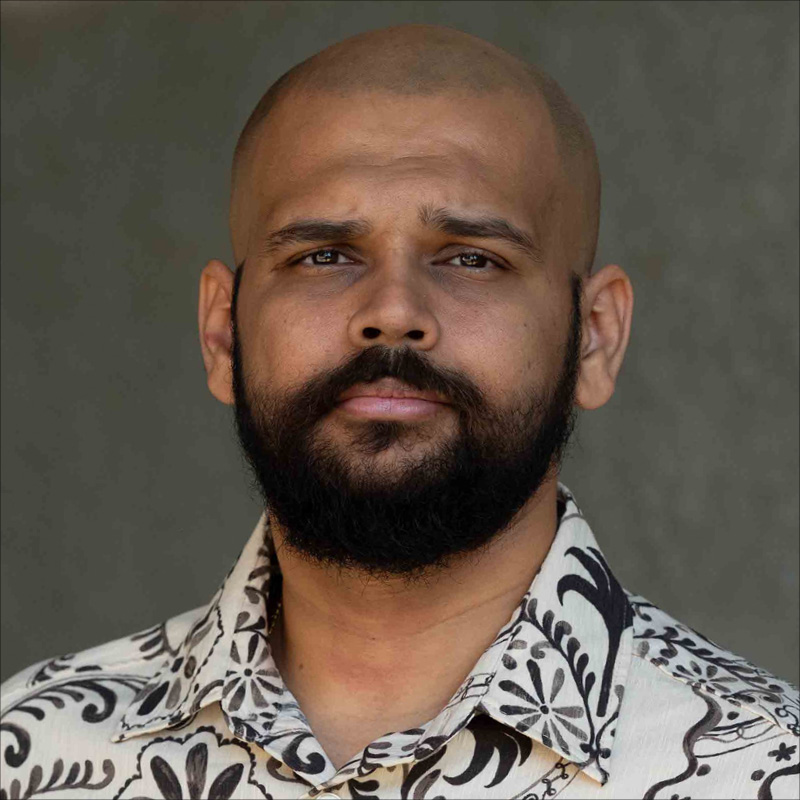
Swaptik Chowdhury argues that the postwar model of governing through economic growth and trade can no longer address planetary-scale crises. Drawing on deliberative democracy experiments and emerging AI tools, he makes the case for governance grounded in shared decision-making rather than market coordination alone
Swaptik is a technical AI governance researcher whose work focuses on risk assessment at the intersection of AI systems and society, especially in conditions of high uncertainty and evolving governance needs.
His recent research examines biosecurity misuse risk from LLM-enabled use of biological tools and AGI futures pathways, with a broader interest in translating frontier AI risks into decision-relevant frameworks.
He is completing a PhD in Public Policy at the Pardee RAND Graduate School, where he also earned an MPhil in Policy Analysis, and holds an MS from Arizona State University.
We use cookies to ensure that we give you the best experience on our website. If you continue to use this site we will assume that you are happy with it.