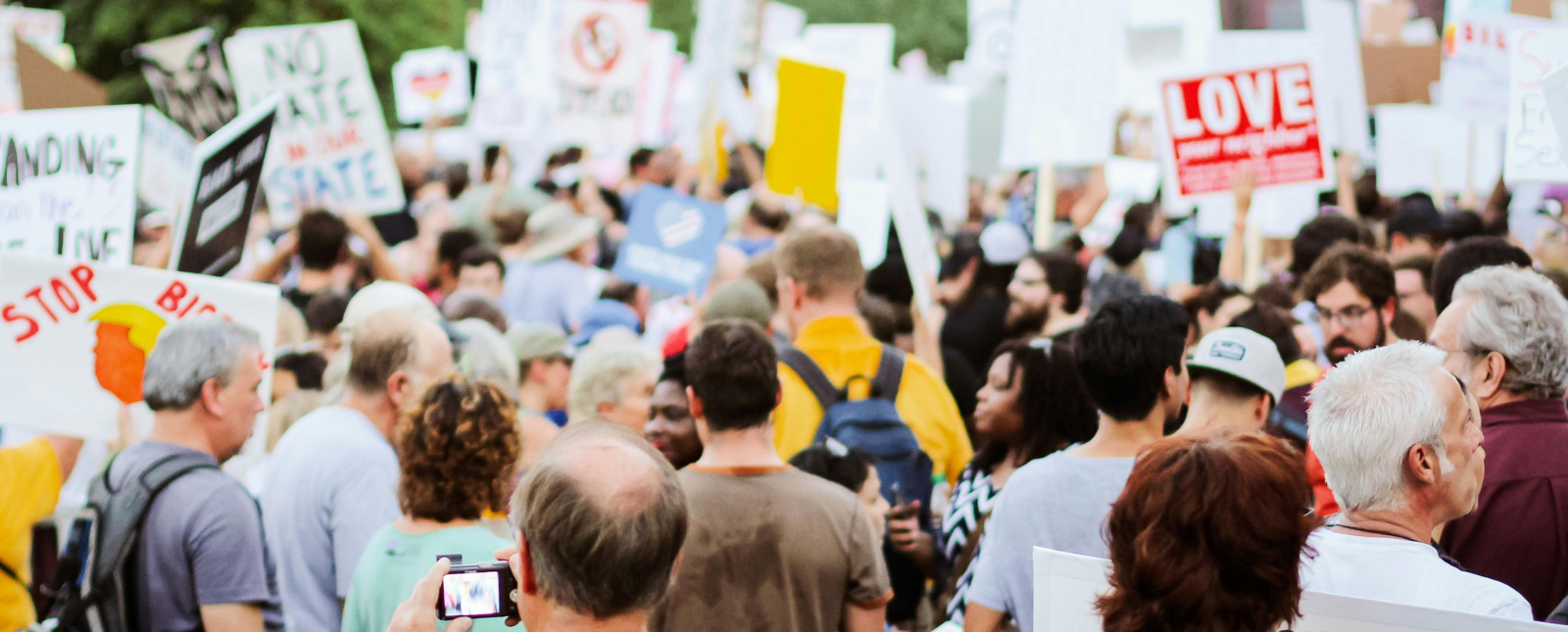
Politically active people — including protesters and those engaging outside elections — are better represented than inactive citizens, write Jesper Lindqvist, Jennifer Oser, Ruth Dassonneville, Mikael Persson, and Anders Sundell. Images of placard-wielding protesters are a common feature in global media reporting. But do they affect policy outcomes any better than inactive people?
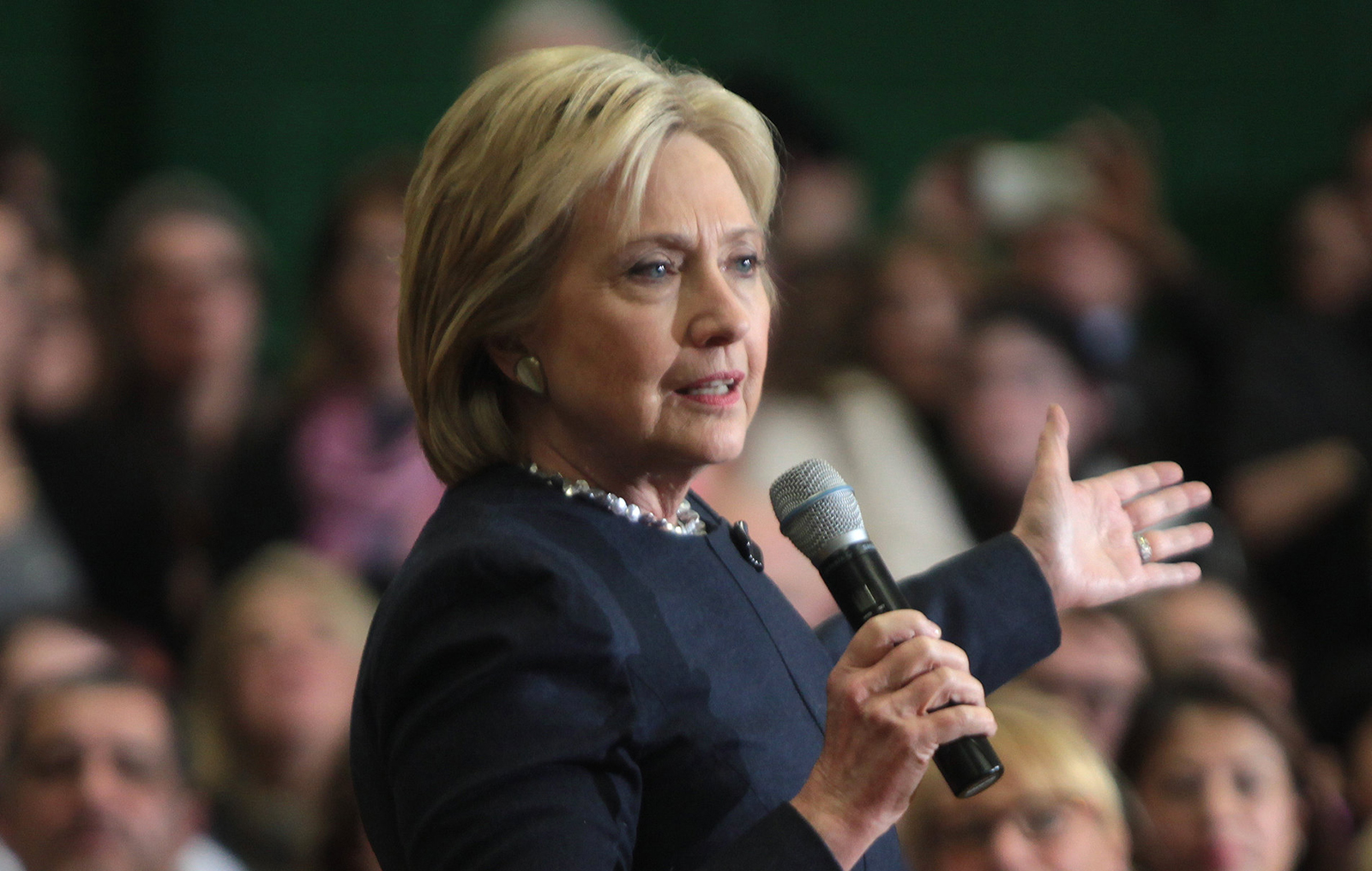
Ruth Dassonneville, Stephen Quinlan and Ian McAllister go beyond the conventional wisdoms about women in politics to explore how the public views women leaders. Their findings suggest that women are more popular leaders than men, but are less successful in translating that popularity into votes
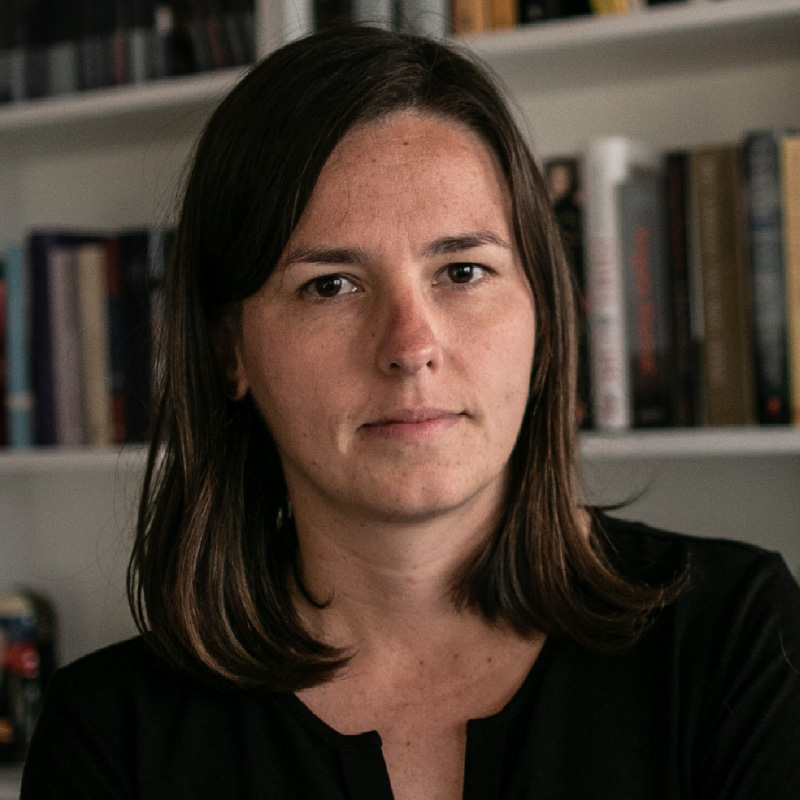
Associate Professor and Canada Research Chair in Electoral Democracy, Université de Montréal
Ruth's research interests include elections, political parties, compulsory voting, and women and politics.
Her work on these and other topics have been published in, among others, the American Journal of Political Science, the British Journal of Political Science, the European Journal of Political Research, and Journal of Politics.
We use necessary cookies to make our site work. We'd also like to set analytics cookies that help us make improvements by measuring how you use the site. These will be set only if you accept.
▼
Strictly Necessary Cookies
Necessary cookies enable core functionality such as security, network management, and accessibility. You may disable these by changing your browser settings, but this may affect how the website functions.
▼
Analytics Cookies
Google Analytics
We'd like to set Google Analytics cookies to help us improve our website by collecting and reporting information on how you use it. The cookies collect information in a way that does not directly identify anyone. For more information on how these cookies work please see our Privacy Notice.