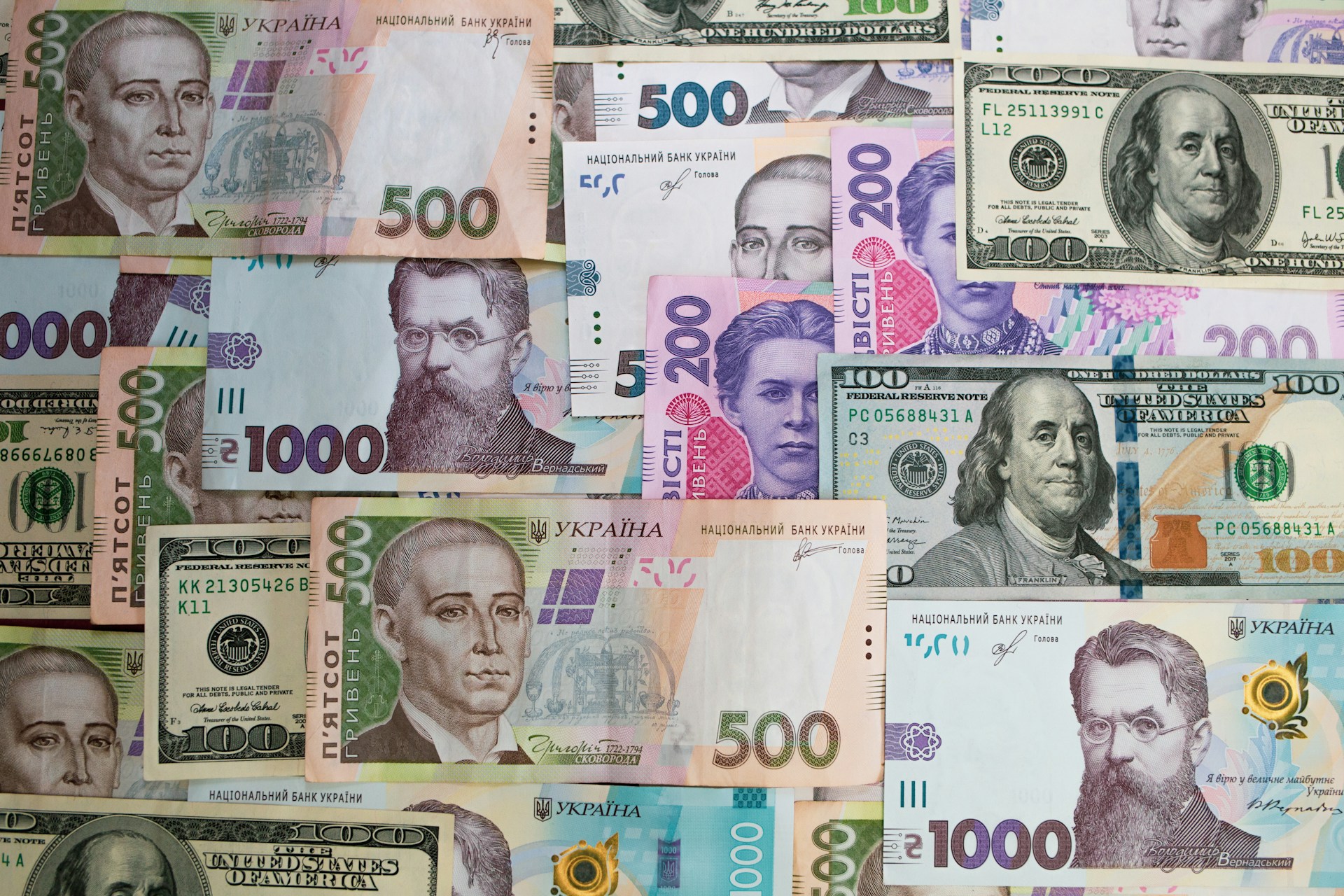
Advanced economies did not simply abandon capital controls after the 1944 Bretton Woods Agreement. Martino Comelli and Pedro Perfeito Da Silva show that welfare states quietly took over their job. Countries that protect workers can afford open financial borders. Countries that spend mainly on pensioners still police the movement of money
The recurrent crises that emerged from financial globalisation have fuelled the success of populist parties across the world. Pedro Perfeito da Silva explains how initiatives to curb capital mobility and foreign banking ownership align with the ideological features of different varieties of populism
Lecturer in Political Economy, University of Exeter
Pedro holds a PhD in political science from the Doctoral School of Political Science, Public Policy and International Relations at Central European University.
His research covers topics such as the politics of post-neoliberalism, the macroeconomic effects of financial liberalisation, the role of State-owned banks, the impact of creative industries, and the policy preferences of populist parties.
His work has been published in academic journals including Development and Change, Government and Opposition, Review of International Political Economy, and Third World Quarterly.
We use necessary cookies to make our site work. We'd also like to set analytics cookies that help us make improvements by measuring how you use the site. These will be set only if you accept.
▼
Strictly Necessary Cookies
Necessary cookies enable core functionality such as security, network management, and accessibility. You may disable these by changing your browser settings, but this may affect how the website functions.
▼
Analytics Cookies
Google Analytics
We'd like to set Google Analytics cookies to help us improve our website by collecting and reporting information on how you use it. The cookies collect information in a way that does not directly identify anyone. For more information on how these cookies work please see our Privacy Notice.