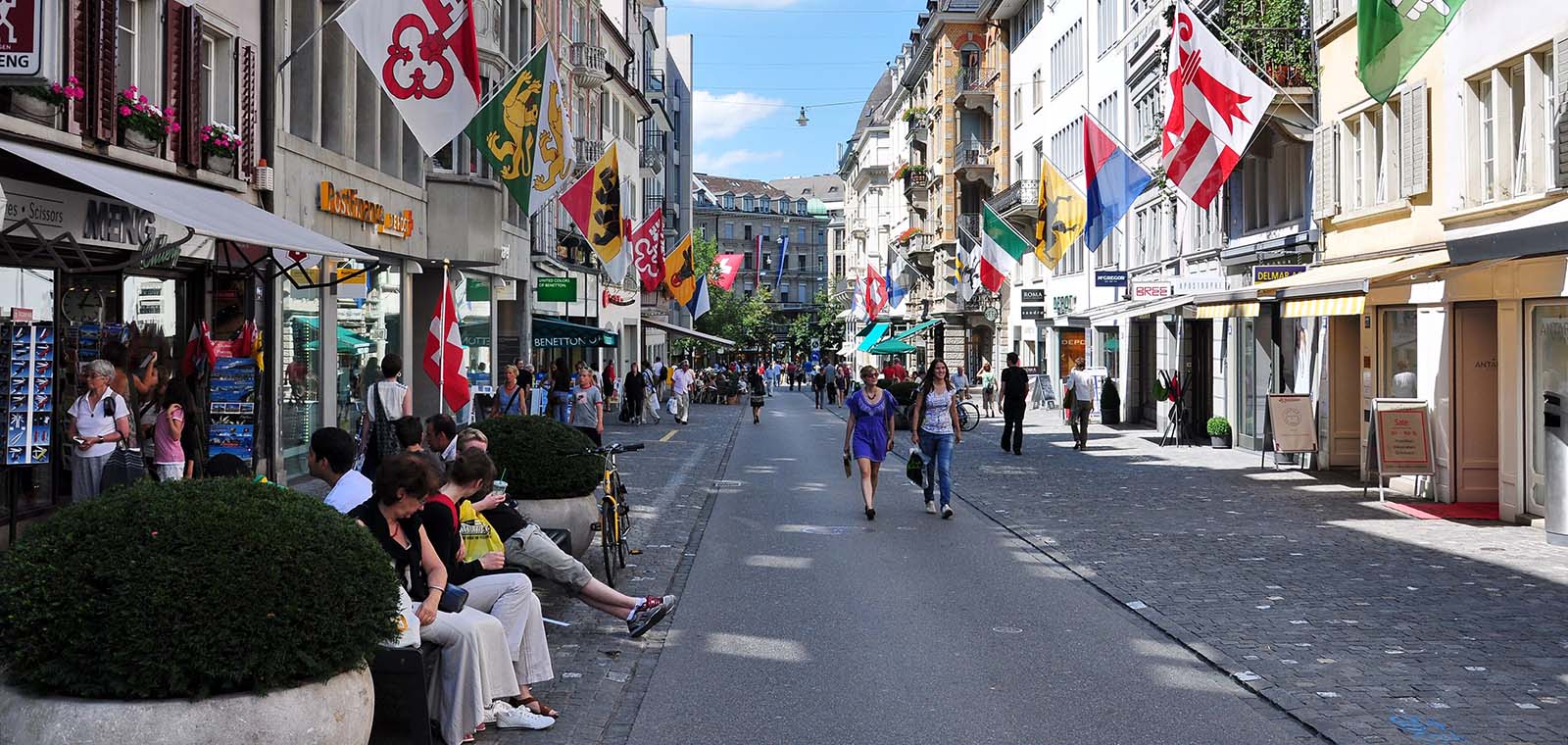
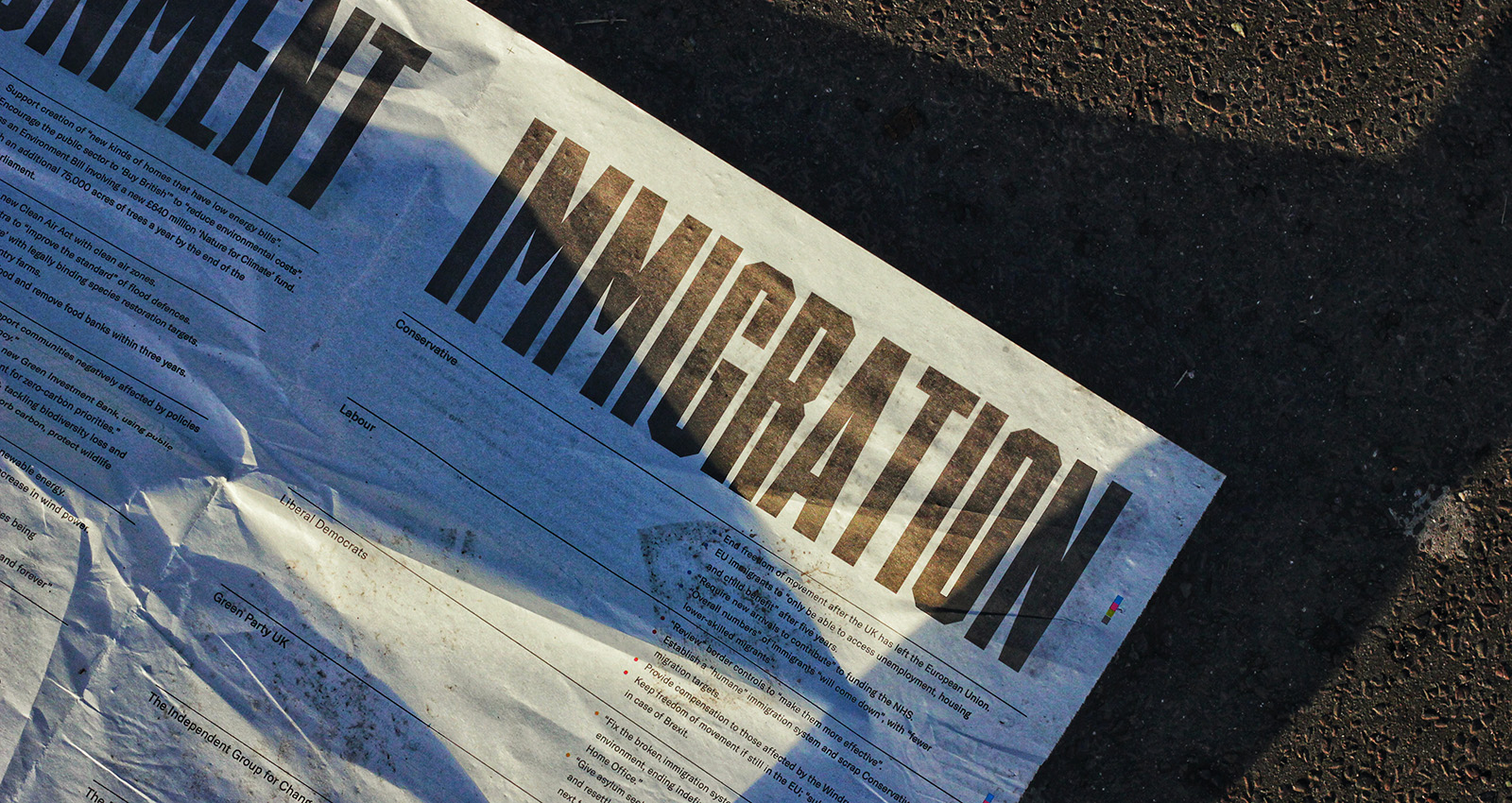
You might think that most people have misperceptions about immigration. Yet many false beliefs are merely low-confidence guesses, rather than firmly held views. Drawing on new Swiss survey evidence, Philipp Lutz and Marco Bitschnau show that this distinction has important implications for understanding public opinion, and for the quality of democratic debate
Most people hold deep-seated misperceptions about immigration, painting its nature, effects, and governance in excessively dark colours. This reflects concerns about out-group threat and tends to be resistant to correction efforts. It is also, argue Marco Bitschnau and Philipp Lutz, highly problematic for democracies
Western countries repeatedly point to resettlement – the organised transfer of refugees to a safe third country – as a solution to persistent humanitarian crises. Yet, Philipp Lutz and Lea Portmann show how such resettlement can, paradoxically, be a way for states to legitimise limiting access to humanitarian protection
In 2019, Philipp earned a PhD from the University of Bern studying the migration policy-making of liberal democracies.
Previously, he has been a visiting researcher at the European University Institute in Florence and a program director of the foreign policy think-tank 'foraus'.
His main research interest lies in understanding the political consequences of international migration and covers comparative politics as well as international governance.
We use necessary cookies to make our site work. We'd also like to set analytics cookies that help us make improvements by measuring how you use the site. These will be set only if you accept.
▼
Strictly Necessary Cookies
Necessary cookies enable core functionality such as security, network management, and accessibility. You may disable these by changing your browser settings, but this may affect how the website functions.
▼
Analytics Cookies
Google Analytics
We'd like to set Google Analytics cookies to help us improve our website by collecting and reporting information on how you use it. The cookies collect information in a way that does not directly identify anyone. For more information on how these cookies work please see our Privacy Notice.