On 24 December 2025, Algeria passed a law recognising French colonisation as a state crime, and calling for restitution and reparations. The law is primarily domestic and symbolic. But Morgiane Noel argues that it signals a significant postcolonial shift that could influence African politics, Europe–Africa relations, and discussions of historical justice in international law
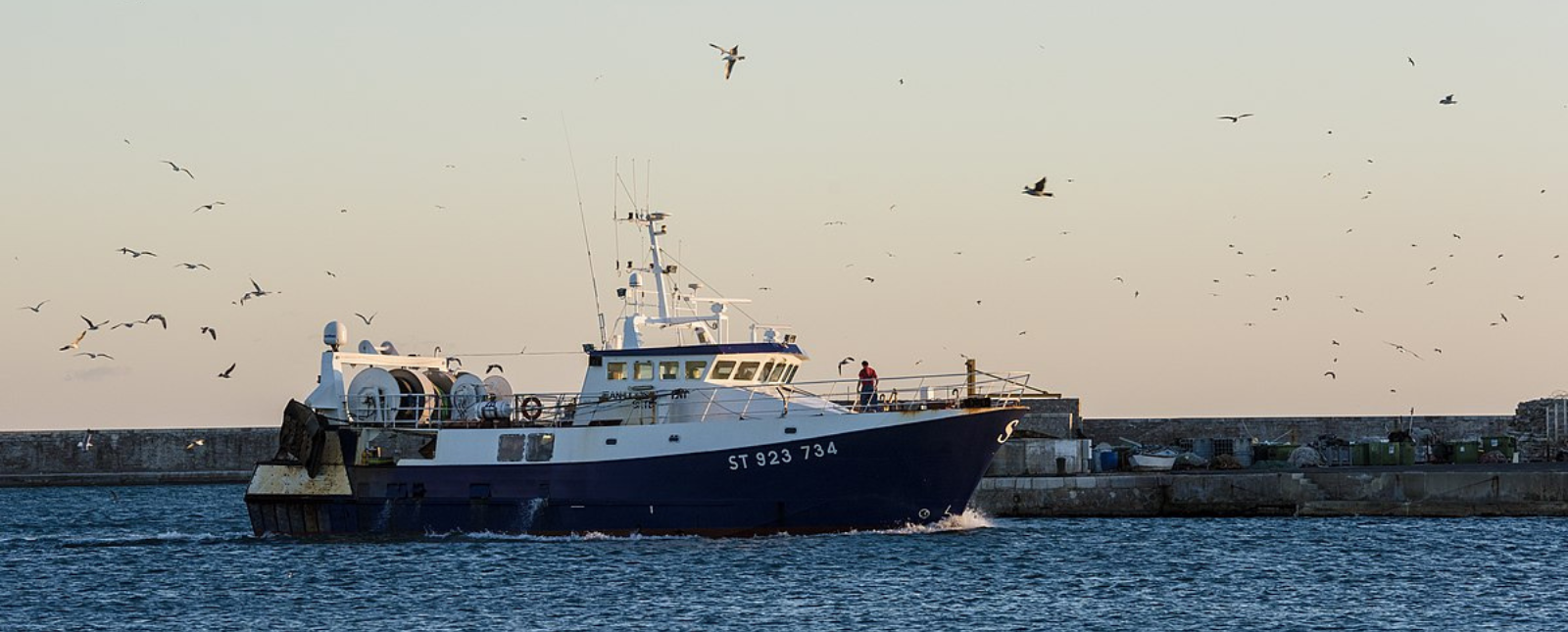
The new EU-UK fisheries agreement has attracted criticism for granting EU trawlers 12 more years' access to UK waters. Morgiane Noel argues we should view the deal in the broader context of EU-UK carbon markets, and the green transition
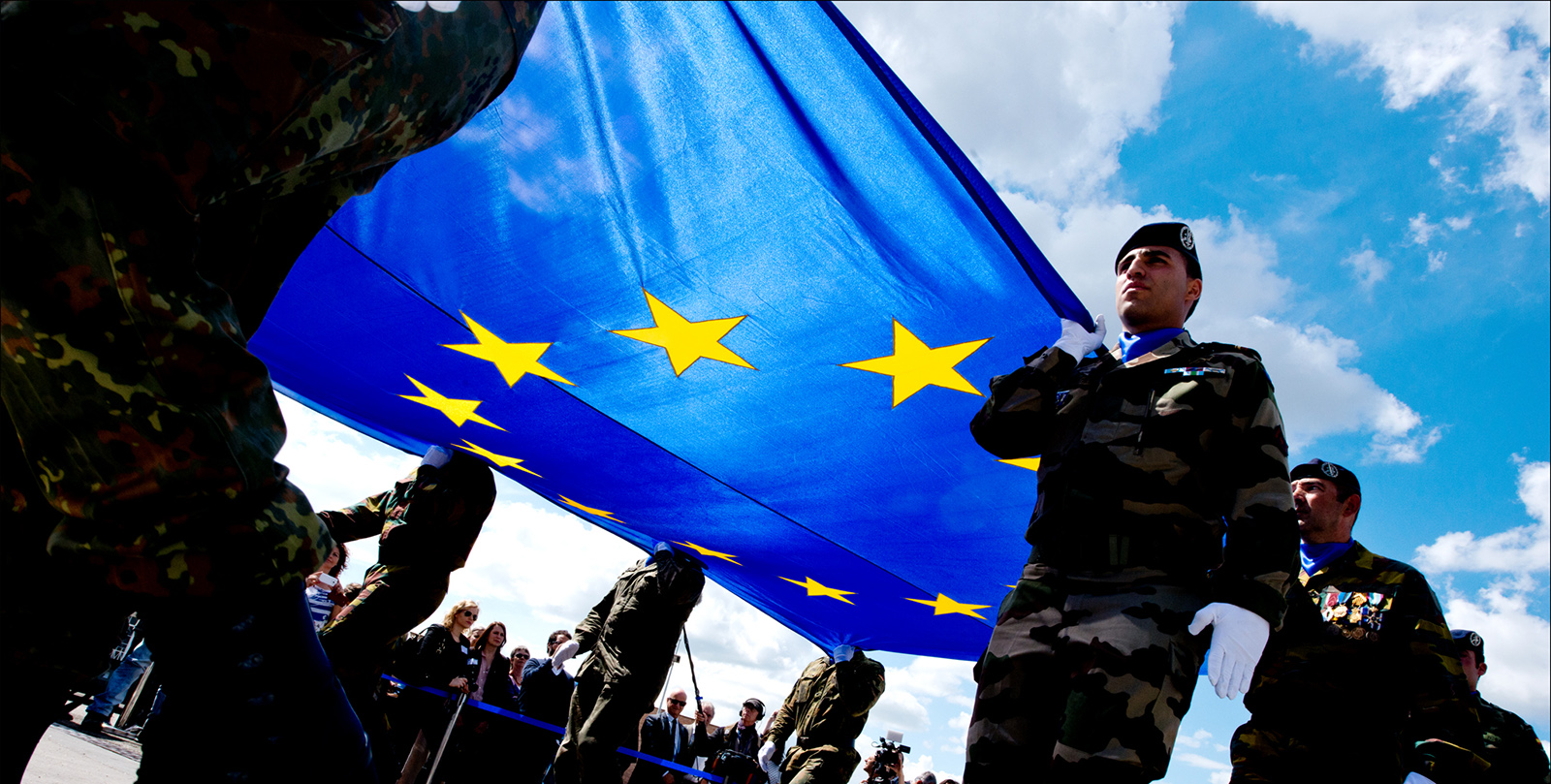
To resist ongoing Russian aggression in Ukraine, the EU must present a united military front. But different member states have different security priorities, and this is proving a challenge. Morgiane Noel argues that to achieve autonomous military alliance, the EU must navigate internal divisions, address external threats, and redefine its global role
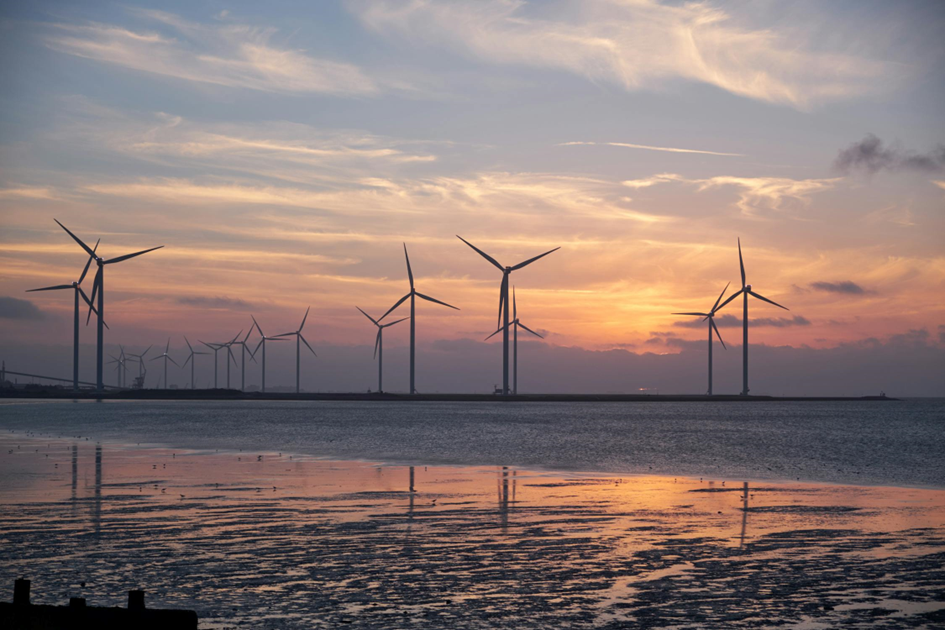
Energy is a fundamental human need. Yet tens of millions of EU citizens are struggling to pay their gas and electricity bills. Morgiane Noel considers the EU's 2025 policies to overcome energy poverty in the EU
Morgiane’s research centres on European and international human rights, migration, and climate change.
She has also worked on gender and law, constitutional EU law, and EU integration — fields deeply connected to her academic and professional experience.
She holds a bachelor's degree in Law, a two-year master’s degree from the Catholic University of Louvain, and an Erasmus master’s degree from the Global Studies Institute at the University of Geneva.
Morgiane completed an LLM in European and International Business Law at Trinity College, a certificate in Humanitarian Law from the College of Europe, and a Teaching in Higher Education certificate from the Harvard Graduate School of Education.
We use necessary cookies to make our site work. We'd also like to set analytics cookies that help us make improvements by measuring how you use the site. These will be set only if you accept.
▼
Strictly Necessary Cookies
Necessary cookies enable core functionality such as security, network management, and accessibility. You may disable these by changing your browser settings, but this may affect how the website functions.
▼
Analytics Cookies
Google Analytics
We'd like to set Google Analytics cookies to help us improve our website by collecting and reporting information on how you use it. The cookies collect information in a way that does not directly identify anyone. For more information on how these cookies work please see our Privacy Notice.