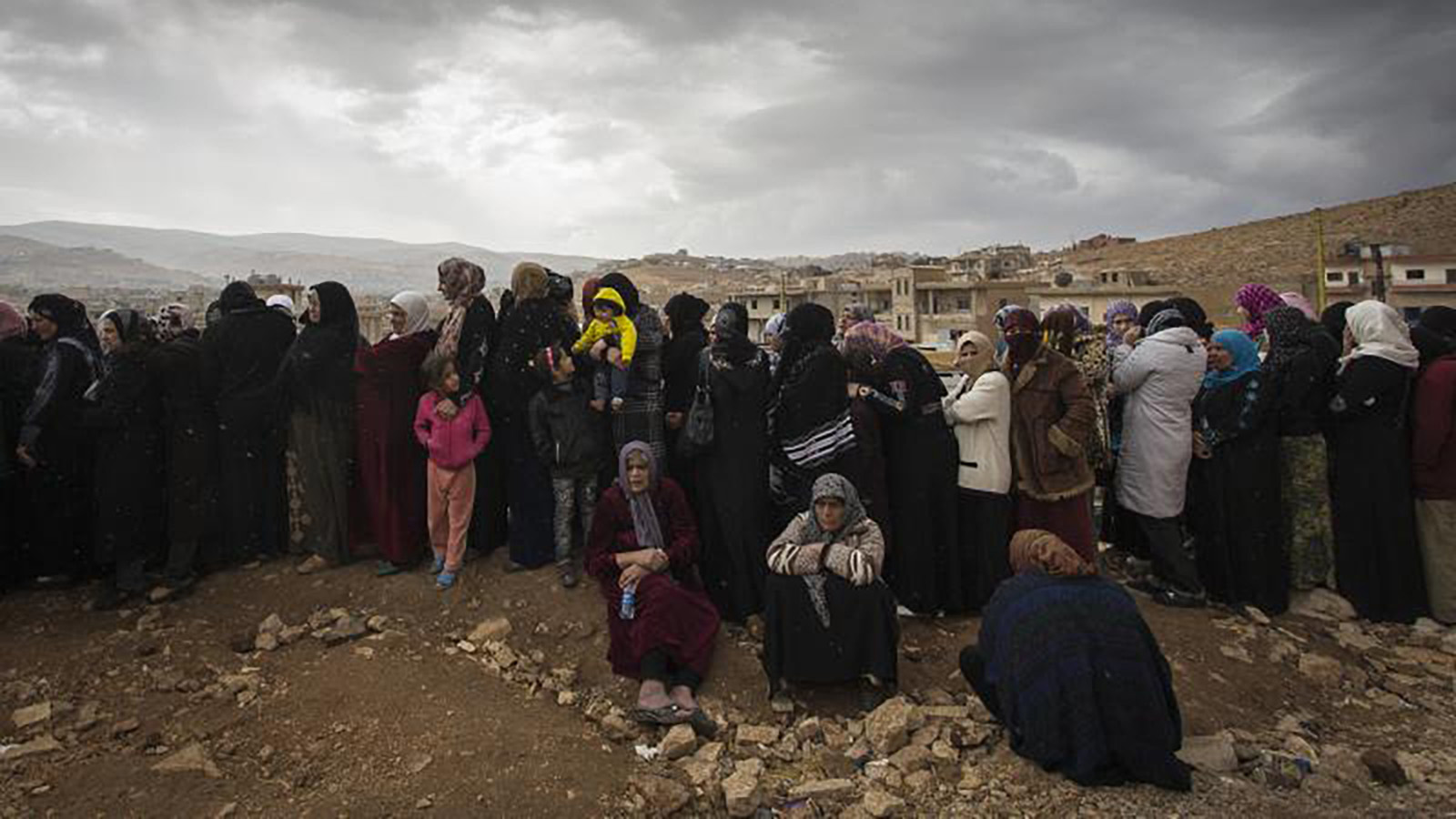
The sudden collapse of the Assad regime could result in Syrian refugees being pressured into returning. But Maissam Nimer and Susan Beth Rottmann say refugee returns must be voluntary, dignified, and sustainable – not driven by political agendas. Given Syria's shattered infrastructure, instability, and limited opportunities, 'safety' means more than simply the absence of violence
The spectacular fall of the Syrian regime comes with high expectations on refugee return. But we should meet such expectations with caution. Only a week ago, secondary displacement from Lebanon to Syria was being framed – wrongly – as 'voluntary return'. Maissam Nimer and Nora Stel warn that uncertain times lie ahead for displaced Syrians.
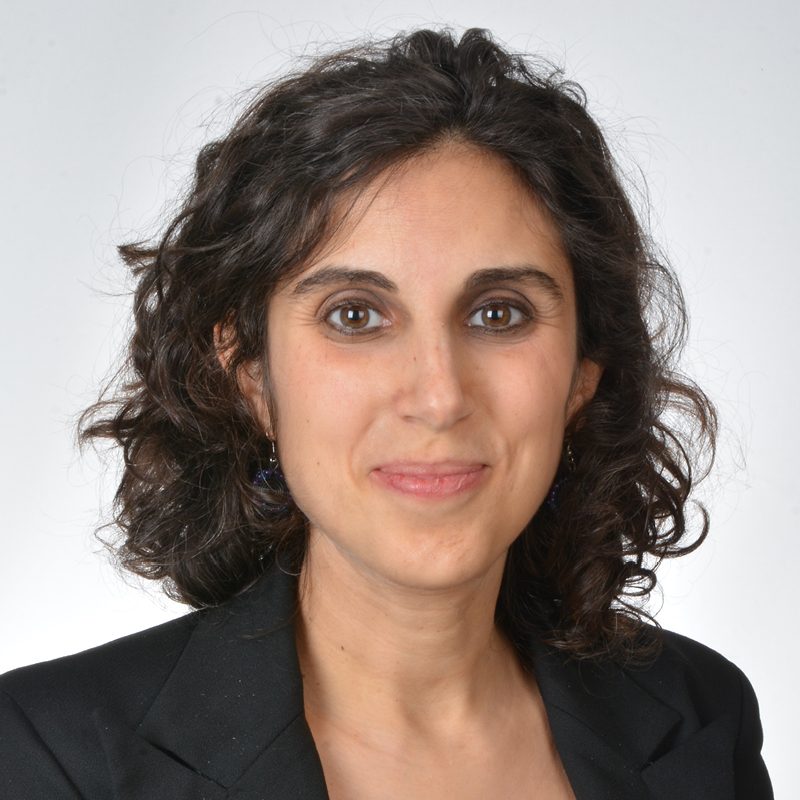
Maissam was previously Assistant Professor at Istanbul University's Faculty of Political Sciences, working at the intersection between migration governance and experiences, social and gender inequalities, and development.
Before that, she worked at Paris Nanterre University, examining how intellectual production is transformed by exile.
Prior to that, she was at Koç University, and was a Mercator IPC fellow at Sabancı University, dealing with the experiences of Syrian refugee youth in Turkey, and with language learning.
She obtained her PhD in July 2016 at Paris Saclay University, looking at inequalities of access to higher education, and mechanisms of action of an internationally funded development programme in Lebanon.
Her work has been published in international and regional academic journals including Gender and Education, Critical Sociology, Governance, Migration Studies, Third World Quarterly, Sociological Research Online, International Studies in Sociology of Education, Multilingua, and Comparative Education Review, as well as New Perspectives on Turkey, Idafat, Civil Society Review and the New Middle East Studies Journal.
Maissam was awarded the BAGEP 2023 award (Science Academy’s Young Scientist Awards Programme) and 2022 TÜBİTAK Incentive Award (2022 TÜBİTAK Teşvik Ödülü) in recognition of her research contribution.
She obtained her MSc from the London School of Economics and her BSc from the American University of Beirut.
We use necessary cookies to make our site work. We'd also like to set analytics cookies that help us make improvements by measuring how you use the site. These will be set only if you accept.
▼
Strictly Necessary Cookies
Necessary cookies enable core functionality such as security, network management, and accessibility. You may disable these by changing your browser settings, but this may affect how the website functions.
▼
Analytics Cookies
Google Analytics
We'd like to set Google Analytics cookies to help us improve our website by collecting and reporting information on how you use it. The cookies collect information in a way that does not directly identify anyone. For more information on how these cookies work please see our Privacy Notice.