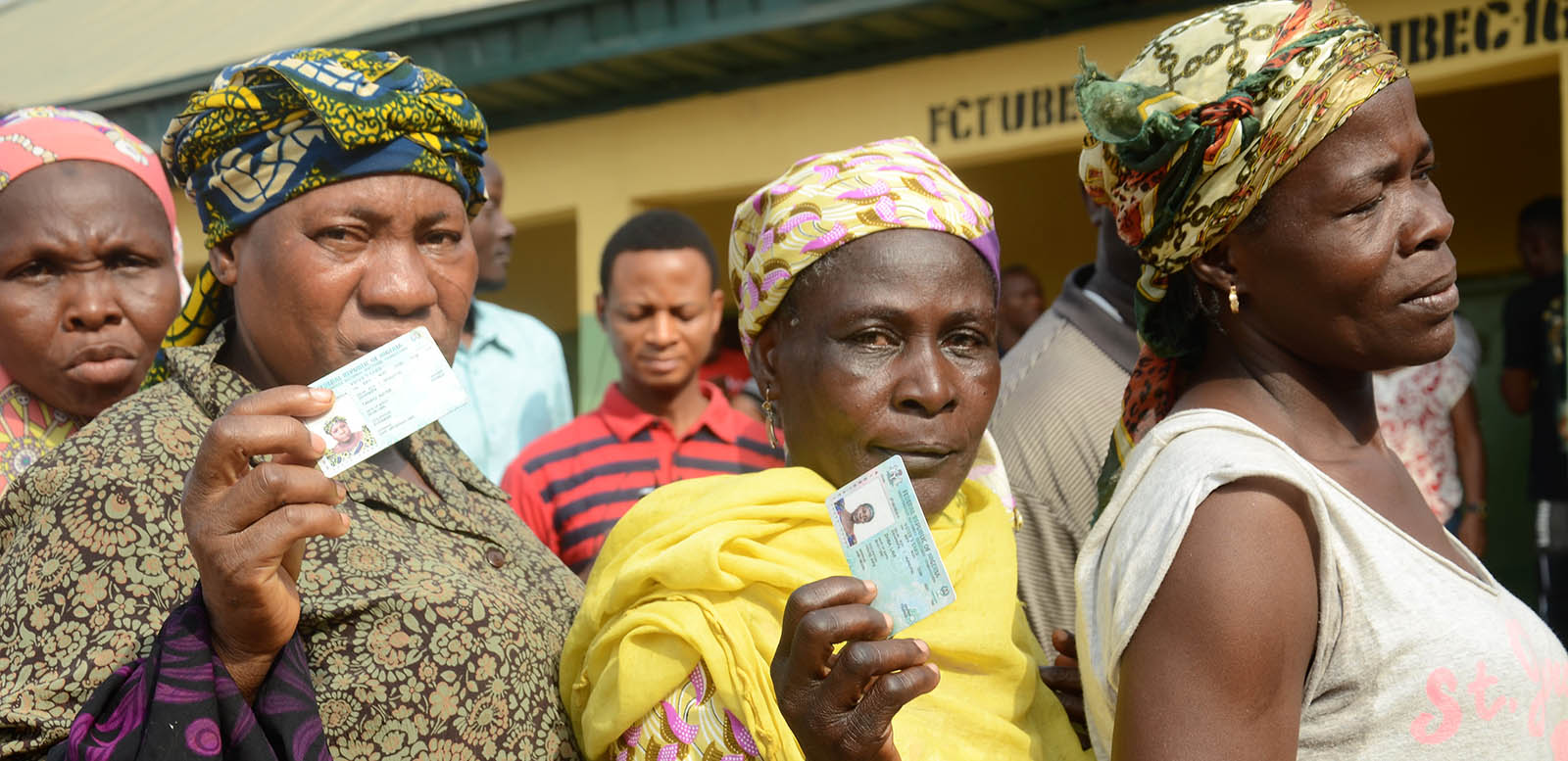
Since 2015, technology has helped consolidate Nigerian democracy by ensuring transparency and fairness in elections. Yet, writes Muhammad Edita, in Nigeria's most recent elections, the malfunctioning or manipulation of technology has – paradoxically – led to defeated parties challenging electoral results
PhD Candidate, Department of Political Science and International Relations, Eastern Mediterranean University, Cyprus
Muhammad holds a BSc in political science and an MSc in international relations and strategic studies.
His PhD thesis is entitled Regime Theory, International Law and the Protection of Internally Displaced Persons in Africa: An Analysis of Nigeria, Chad and the Republic of the Niger.
His research interests include international research, diplomacy, conflict analysis, human rights and political behaviour.
We use necessary cookies to make our site work. We'd also like to set analytics cookies that help us make improvements by measuring how you use the site. These will be set only if you accept.
▼
Strictly Necessary Cookies
Necessary cookies enable core functionality such as security, network management, and accessibility. You may disable these by changing your browser settings, but this may affect how the website functions.
▼
Analytics Cookies
Google Analytics
We'd like to set Google Analytics cookies to help us improve our website by collecting and reporting information on how you use it. The cookies collect information in a way that does not directly identify anyone. For more information on how these cookies work please see our Privacy Notice.