
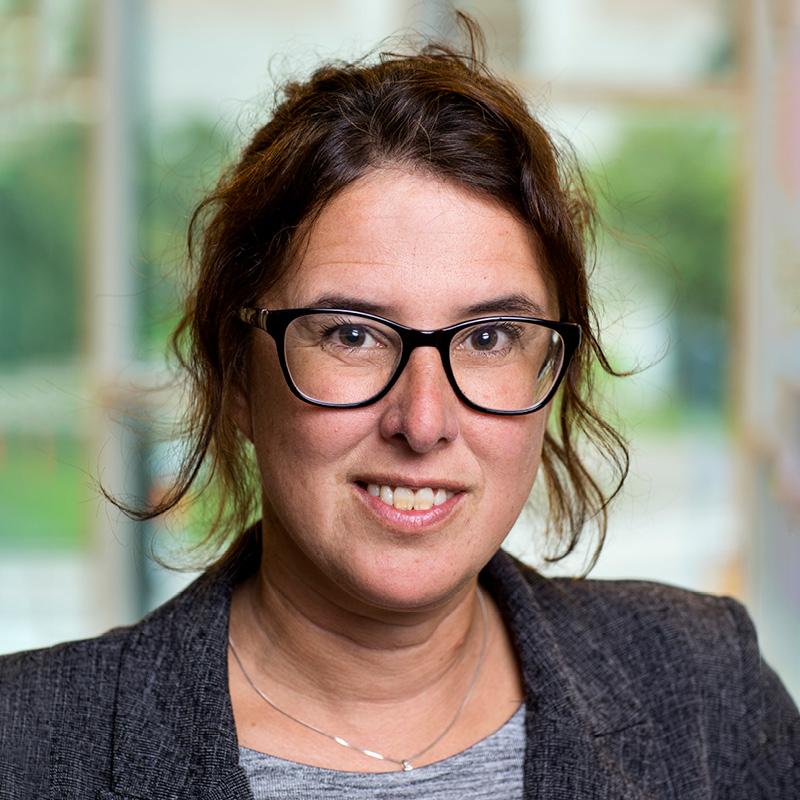
Monika is a research fellow at the University of Gothenburg's Quality of Government Institute.
She has previously been a visiting scholar at Harvard University, Stanford University and the University of Florida in the US, and at the University of Dar es Salaam in Tanzania.
Monika investigates the causes and consequences of corruption, women's representation, and public support for foreign aid and EU integration.
Her work has appeared in journals such as International Studies Quarterly, Global Environmental Politics, Governance, Comparative Political Studies, European Journal of Political Research, European Union Politics, Public Administration, Journal of Common Market Studies and Journal of European Public Policy.
She is also a co-editor of the recently published Oxford Handbook of the Quality of Government

Follow the Quality of Government Institute on Twitter @QoGData