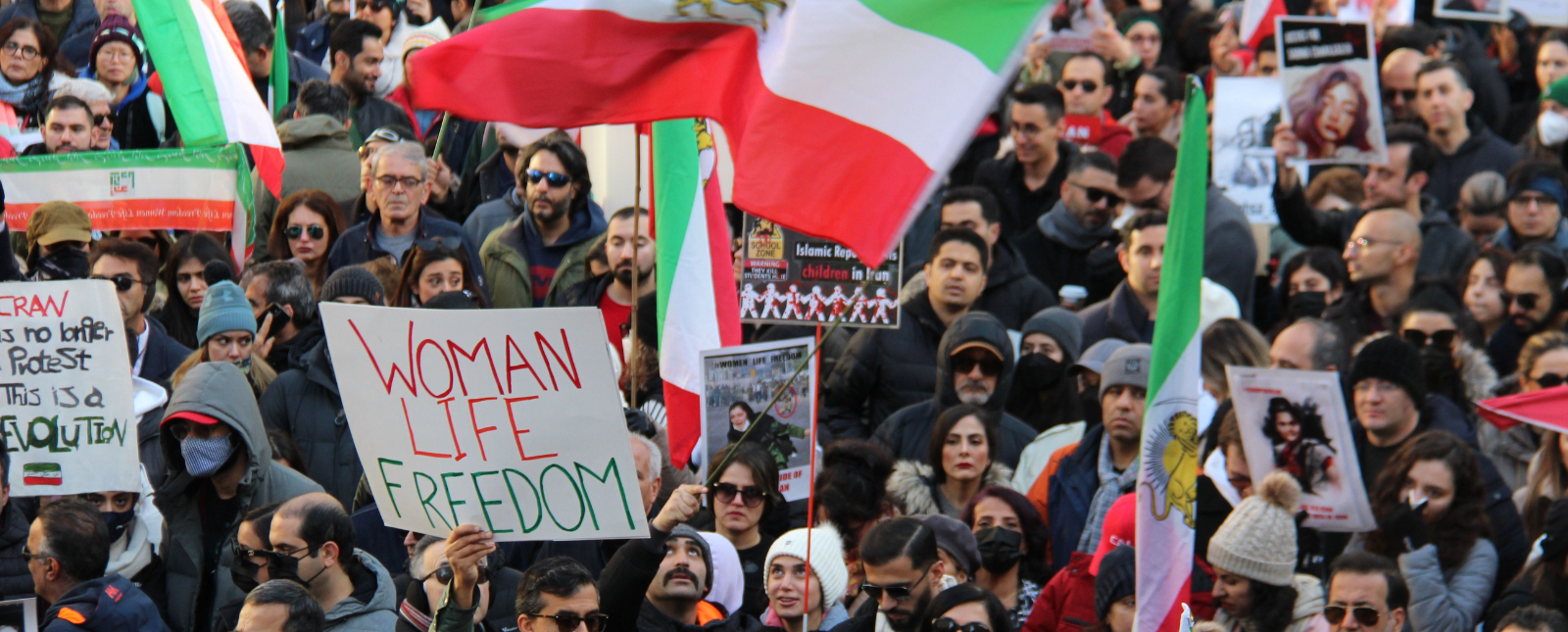
Mohsen Askari compares Iran’s 1979 revolution with the 2026 uprising to reveal a paradox about digital communication technology. Though modern tech may swiftly mobilise collective action, authoritarian states with control over internet infrastructure can still interfere with the collective knowledge base
Instructor, English Preparatory Division, School of Foreign Languages, Boğaziçi University, Istanbul / PhD Candidate, Doctoral Programme in Education and ICT (e-Learning), Universitat Oberta de Catalunya (UOC)
Mohsen's research spans Iranian politics, contentious politics, digital authoritarianism, political communication, AI in education, and heroism and value studies.
His recent publications include 'Iran’s Revolutionary Situation and Digital Authoritarianism: 1979 vs. 2026' in Middle East Policy and 'Admiration Without Worship: The Fallibilization of the Hero and the Moral Logic of Modernity' in Heroism Science.
We use necessary cookies to make our site work. We'd also like to set analytics cookies that help us make improvements by measuring how you use the site. These will be set only if you accept.
▼
Strictly Necessary Cookies
Necessary cookies enable core functionality such as security, network management, and accessibility. You may disable these by changing your browser settings, but this may affect how the website functions.
▼
Analytics Cookies
Google Analytics
We'd like to set Google Analytics cookies to help us improve our website by collecting and reporting information on how you use it. The cookies collect information in a way that does not directly identify anyone. For more information on how these cookies work please see our Privacy Notice.