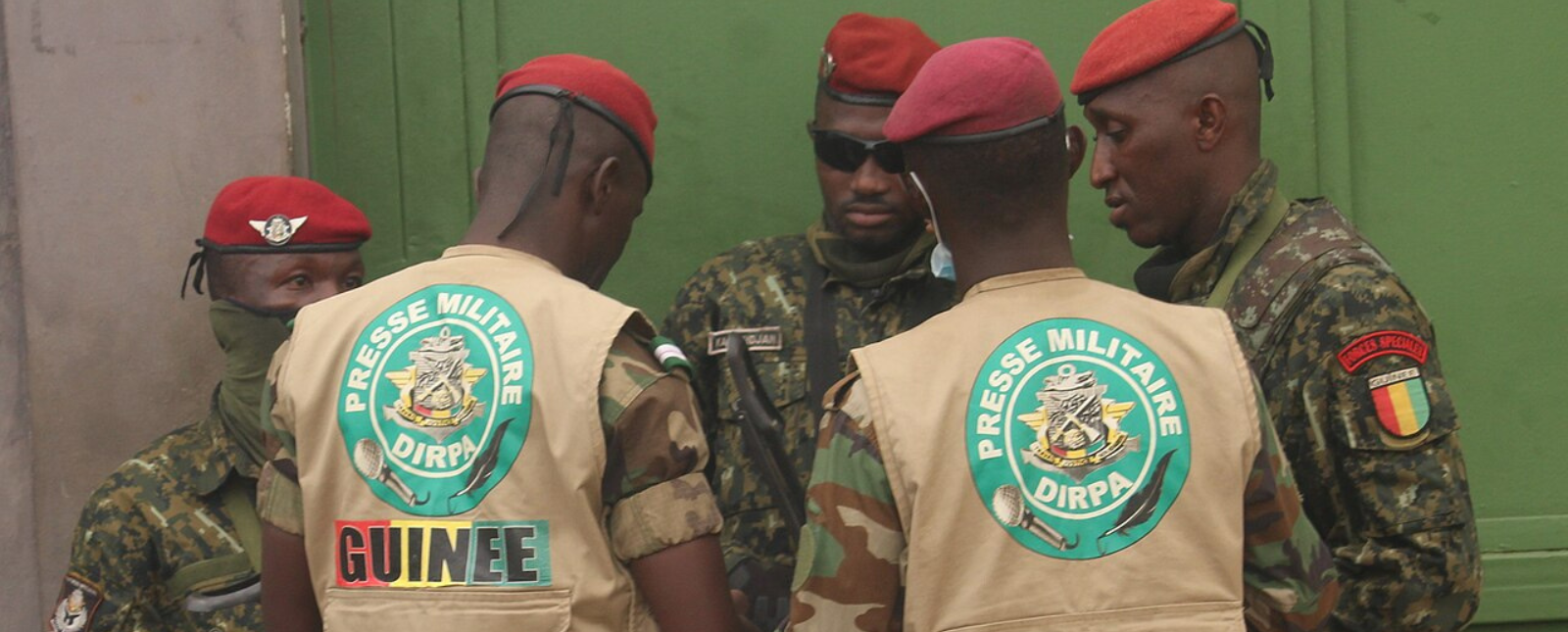
Michael Asiedu argues that in Guinea and Gabon, judges are doing more than routine certification. By validating post-coup elections, courts transform military rulers into constitutional presidents — without requiring genuine democracy
Chad's 20-year conviction of opposition leader Succès Masra reveals how African courts have become weaponised against dissent. Across the continent, writes Michael Asiedu, from Benin to Uganda, authoritarian regimes are increasingly using fabricated charges to silence opponents. This, he says, masks repression behind democratic facades, erodes judicial independence, and weakens the prospects for genuine democratic transition
Doctoral Researcher, Institute of Political Science, University of St Gallen
Michael is an emerging scholar in comparative politics whose work explores the intersections of law, technology, and politics in Africa.
He recently defended his PhD dissertation, 'Internet Shutdowns before Authoritarian Courts in Africa', which examines how civil society organisations challenge government-imposed internet shutdowns and how courts adjudicate digital repression cases in authoritarian contexts across the continent.
He is currently preparing individual manuscripts from his dissertation for journal submissions and has published review essays in Democratization, Political Studies Review, and African Affairs.
We use necessary cookies to make our site work. We'd also like to set analytics cookies that help us make improvements by measuring how you use the site. These will be set only if you accept.
▼
Strictly Necessary Cookies
Necessary cookies enable core functionality such as security, network management, and accessibility. You may disable these by changing your browser settings, but this may affect how the website functions.
▼
Analytics Cookies
Google Analytics
We'd like to set Google Analytics cookies to help us improve our website by collecting and reporting information on how you use it. The cookies collect information in a way that does not directly identify anyone. For more information on how these cookies work please see our Privacy Notice.