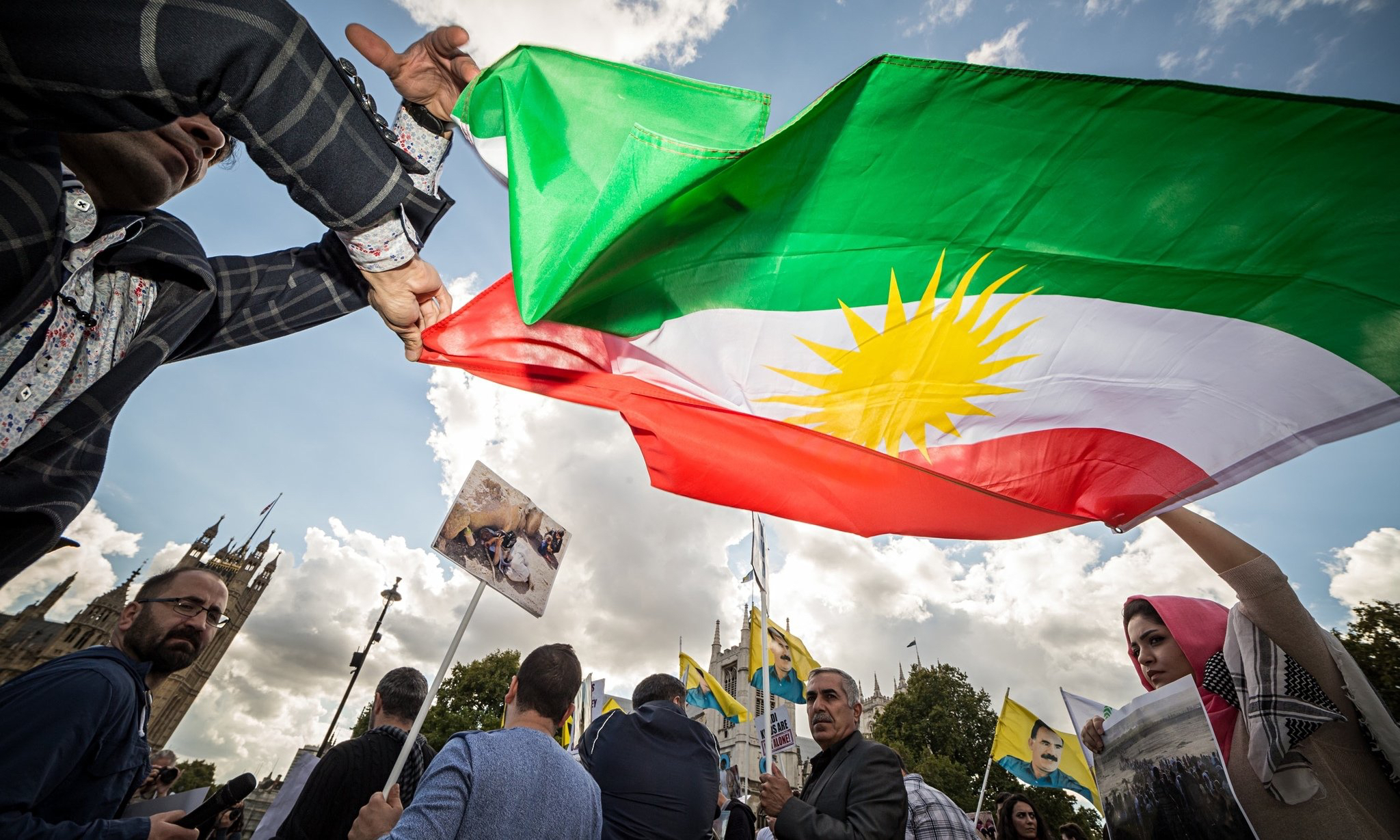
In a rapidly changing political environment, the fate of Kurdistan is now shaping the future of the Middle East. Turkey’s century-long repression of the Kurds, argues Loqman Radpey, is now posing a critical dilemma: either embrace de jure recognition of Kurdistan and Kurdish rights, or risk escalating tensions and instability
As we pass the anniversary of the 7 October Hamas attacks, it is crucial we examine the deeper roots of the ongoing crisis in the Middle East. The US Freedom Agenda, designed to promote democracy in the region, has instead created instability. Loqman Radpey reveals how misinterpretations of Middle Eastern dynamics pose profound challenges to peace and security.
The past decade has seen relentless Turkish expansion into Kurdistan. This encroachment has disturbing echoes of Turkey's 1974 invasion of Northern Cyprus – a violation largely ignored by the rest of the world. Loqman Radpey warns that the international community must not abandon the Kurds in their fight against Turkish humanitarian violations
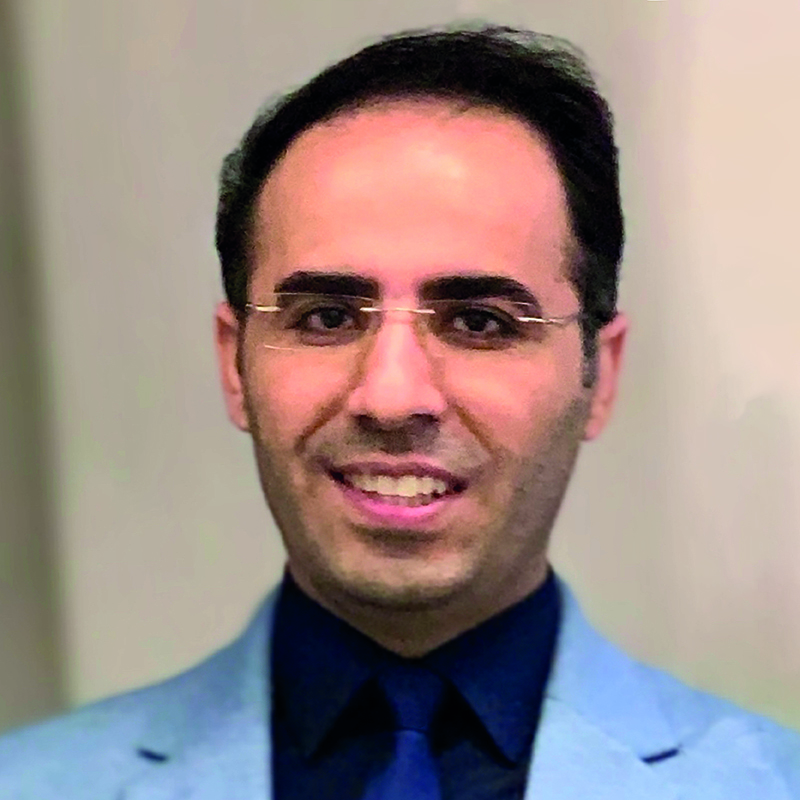
Since 2013, he has focused extensively on the Kurdistan case and the international legal and political dimensions of the right to self-determination for peoples and nations.
Loqman has made contributions to ASIL Insights, Oxford University Politics Blog, EJIL:Talk, Oxford Human Rights Hub, Opinio Juris, and various press outlets, including ABC News, The National, Times of Israel, Die Zeit, and The Jerusalem Post.

We use necessary cookies to make our site work. We'd also like to set analytics cookies that help us make improvements by measuring how you use the site. These will be set only if you accept.
▼
Strictly Necessary Cookies
Necessary cookies enable core functionality such as security, network management, and accessibility. You may disable these by changing your browser settings, but this may affect how the website functions.
▼
Analytics Cookies
Google Analytics
We'd like to set Google Analytics cookies to help us improve our website by collecting and reporting information on how you use it. The cookies collect information in a way that does not directly identify anyone. For more information on how these cookies work please see our Privacy Notice.
