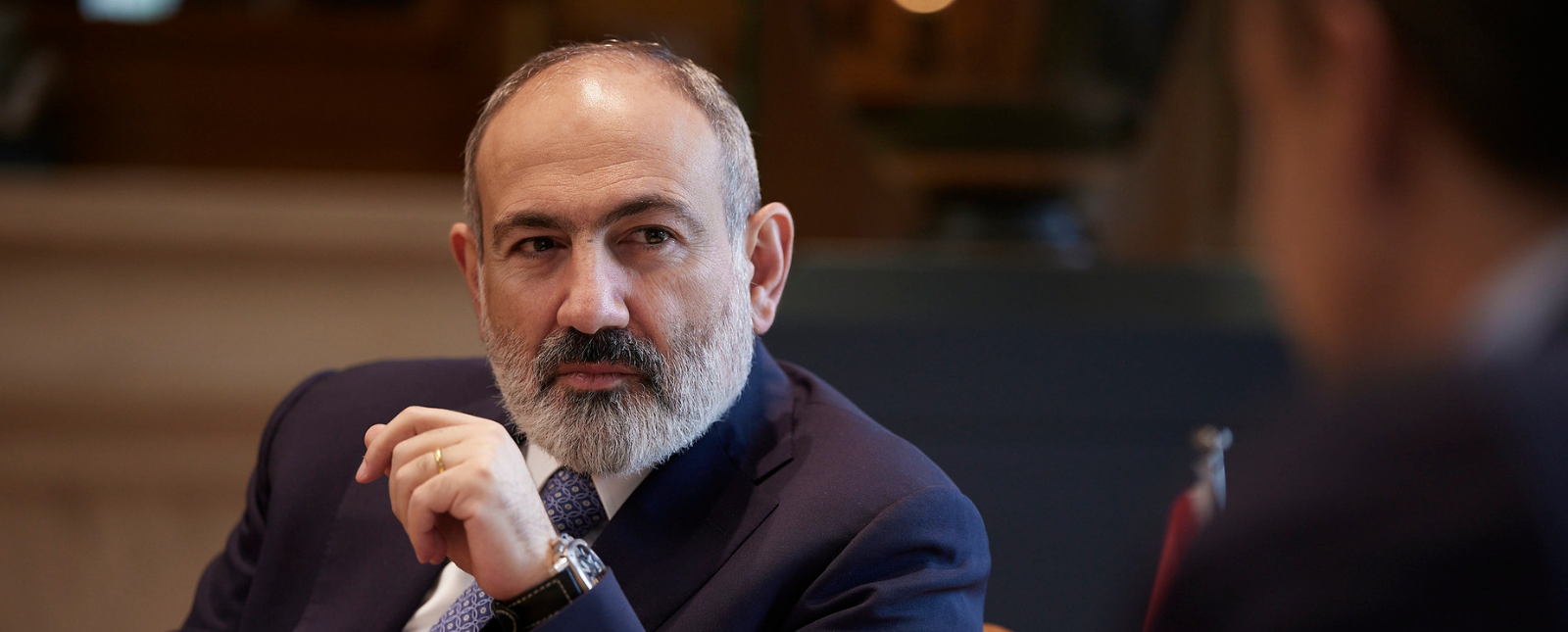
Internationally hailed as a breakthrough, Armenia’s US-brokered peace with Azerbaijan has come at steep domestic cost. Logan Liut explores how Prime Minister Nikol Pashinyan’s foreign policy pivot triggered a rupture between the state and the influential Armenian Apostolic Church — threatening a vital source of Armenian soft power
MSc Student in Nationalism, Ethnic Conflict and Development, Institute of Political Science, Leiden University
Logan's research focus is at the crossroads between today’s political and religious spheres, with particular attention to how religious institutions shape political conflict, national development, and collective identity.
He is a recipient of a 2023 international research grant funded by the Government of Canada in support of his previous research project Conflict at the Altar, an interdisciplinary comparative analysis of the sociopolitical effects of twentieth-century ritual reform disputes in Western Christianity.
His work on contemporary political polarisation and the Catholic Church has also appeared in the Canadian public theology journal Consensus.
Logan holds an Honours Bachelor of Arts with high distinction from the University of Toronto.
Alongside his academic work, he serves on the General Synod of the Anglican Church of Canada, the national legislative body of Canada’s third largest denomination, and has been involved in political and community organisation in Canada and on an international level.
We use necessary cookies to make our site work. We'd also like to set analytics cookies that help us make improvements by measuring how you use the site. These will be set only if you accept.
▼
Strictly Necessary Cookies
Necessary cookies enable core functionality such as security, network management, and accessibility. You may disable these by changing your browser settings, but this may affect how the website functions.
▼
Analytics Cookies
Google Analytics
We'd like to set Google Analytics cookies to help us improve our website by collecting and reporting information on how you use it. The cookies collect information in a way that does not directly identify anyone. For more information on how these cookies work please see our Privacy Notice.