

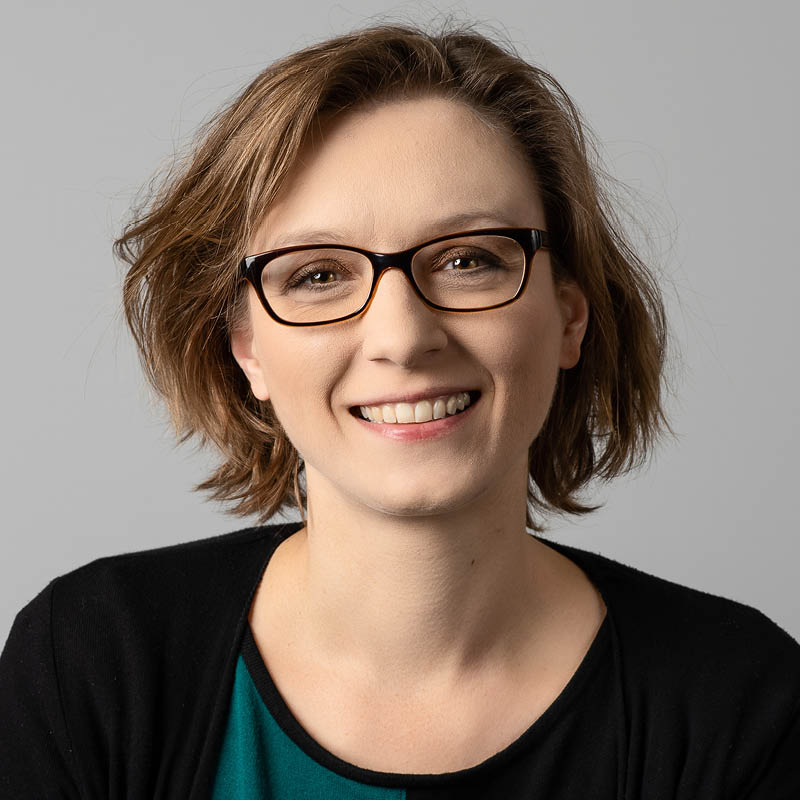
Lisa works at the intersection of political philosophy and economic thought.
She joined the University of Groningen in 2019; since 2021 she has been Director of its Center for Philosophy, Politics and Economics and, as of January 2023, Dean of the Faculty of Philosophy.
Lisa holds a Master's (Diplom) in economics from LMU Munich, and an MSt in Philosophy and DPhil in Political Theory from the University of Oxford, where she was a Rhodes Scholar.
She has worked at, or held visiting posts at, the universities of St Gallen, Leuven, Frankfurt, Utrecht, and Stanford, and has held fellowships of Wissenschaftskolleg zu Berlin and Hamburg Institute for Advanced Study.
Between 2017 and 2022 she was a member of the Global Young Academy, where she led the SCISO project; she is currently a member of De Jonge Academie and Young Academy Groningen.
Lisa has published on the philosophical dimensions of markets, liberalism and social justice, ethics in organisations and the future of work.
The current focus of her work is economic democracy, the future of work, and the role of knowledge in democracies.
Lisa is a co-editor of the interdisciplinary journal Review of Social Economy.
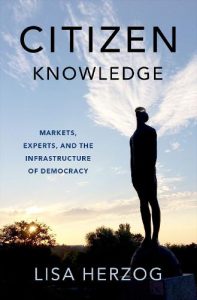
Citizen Knowledge: Markets, Experts, and the Infrastructure of Democracy
Oxford University Press, 2023

