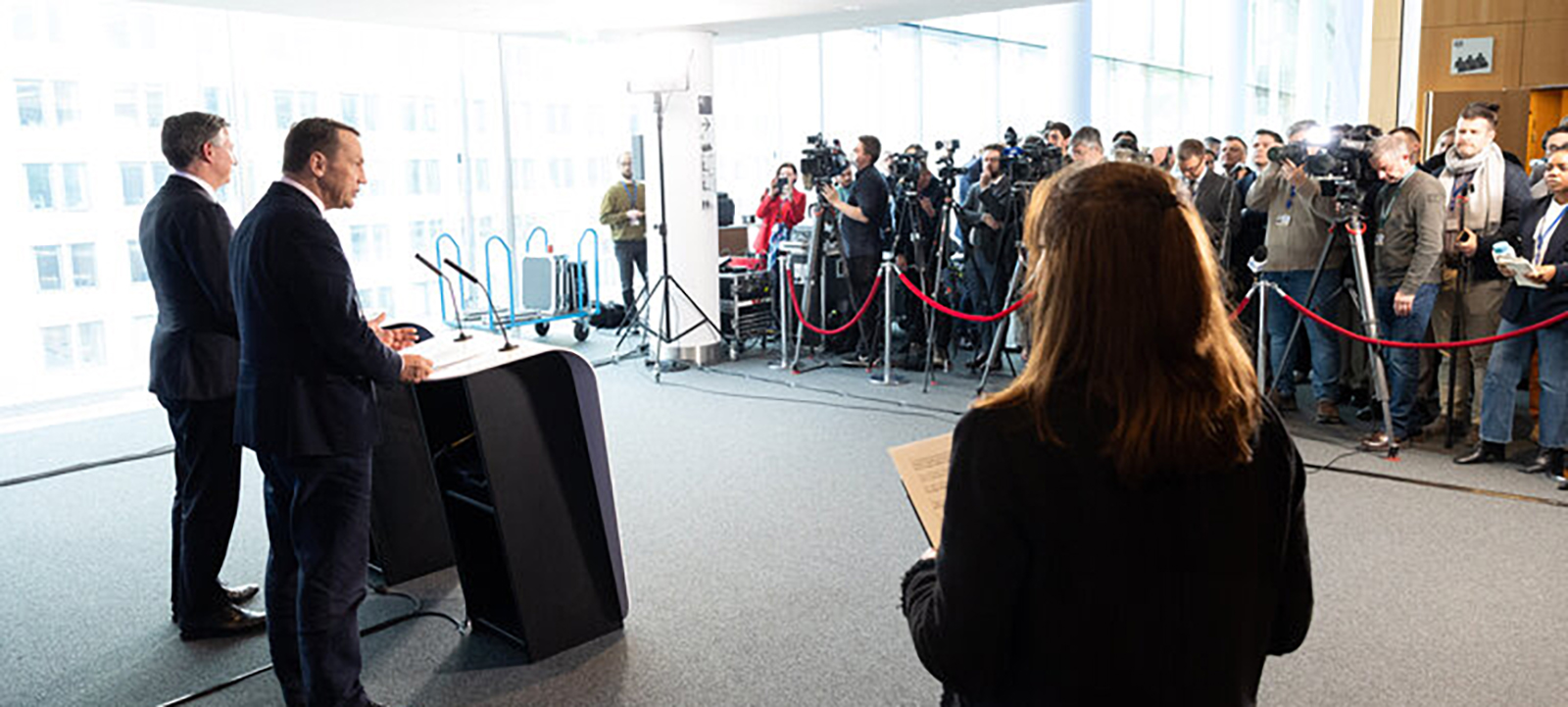
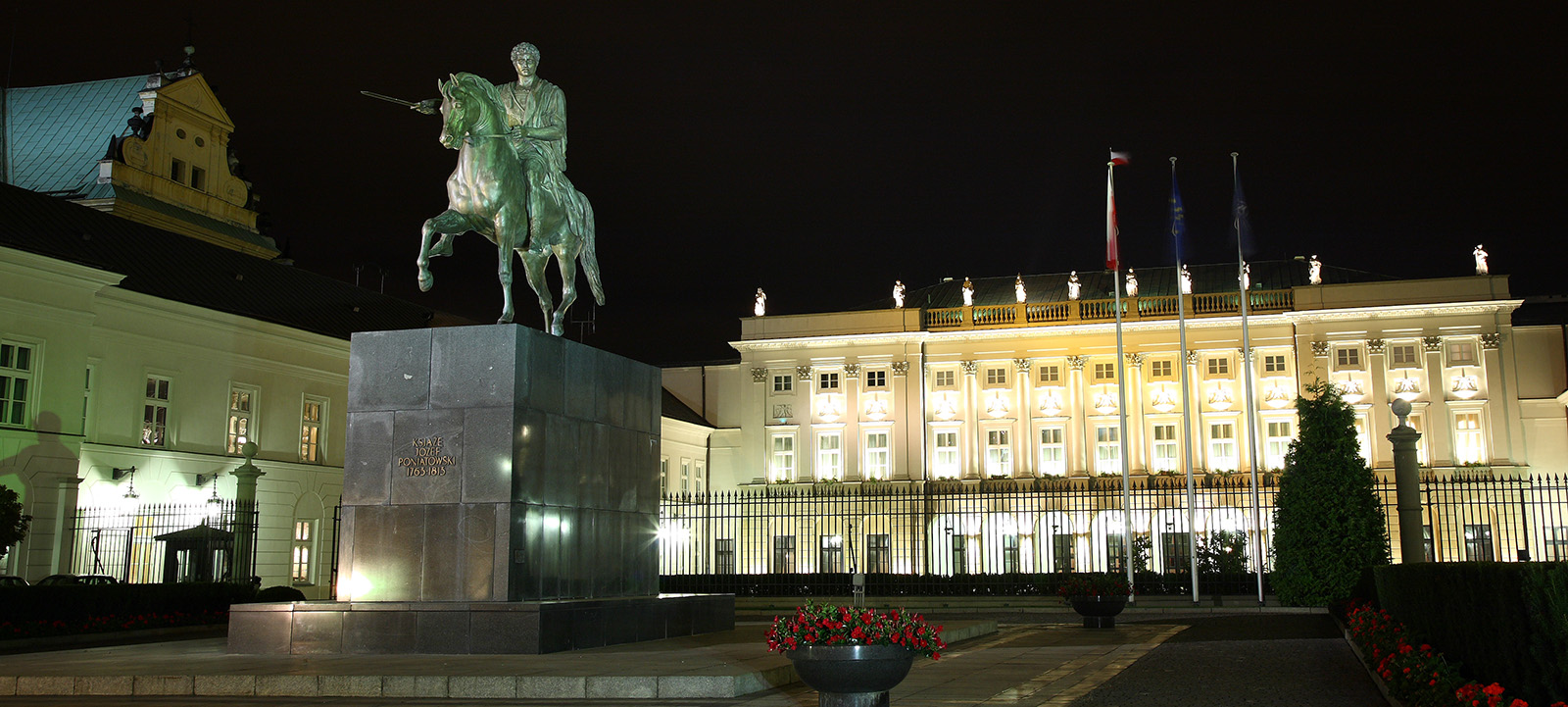
The Lisbon Treaty appeared to restrict the powers of the presidency in external affairs. But it might also have made presidential powers more flexible. Kaja Kaźmierska describes how a reshuffling of leadership positions in the EU affected the role of the presidency
As Hungary's authoritarian leader prepares to take up the EU presidency on 1 July, European Parliament leaders have been attempting to block his appointment. This, argues Kaja Kaźmierska, is not necessary. Any 'real damage' that the Hungarian presidency can do is limited. Indeed, Orbán's presidency could have a positive impact on the Hungarian people, bringing the EU closer to them.
Kaja Kaźmierska analyses a new law passed recently in Poland which violates the Constitution multiple times on the pretext of investigating Russian influence over Polish politics. Opposition parties have dubbed this law the 'Lex Tusk', arguing that its purpose is predominantly to prevent a Tusk victory in the forthcoming elections
Her PhD thesis looks at The Court of Justice of the European Union and the European Court of Human Rights, analysing threats to the independence of these courts and tools they have at their disposal to combat them.
She is also an associated researcher at DynamInt, the graduate college at the law department of Humboldt University.
Before joining HU, Kaja worked for over four years as a legal analyst in the area of EU law in a consulting company, Spark Legal Network, in London.
She also underwent internships in the European Commission, the Council of Europe and various Polish embassies.
Kaja studied English, German and European law at King’s College London and Humboldt University.
She has a MA in EU International Relations from the College of Europe, Bruges.
She speaks Polish, English and German fluently and has an advanced knowledge of French and Italian.
Her research interests include the rule of law, independence of the judiciary, European courts (ECtHR and CJEU), the European Union, European integration, human rights law, the relationship between the EU and the Council of Europe, and women’s rights (in particular, abortion rights).
The Loop
Cutting-edge analysis showcasing the work of the political science discipline at its best.
We use necessary cookies to make our site work. We'd also like to set analytics cookies that help us make improvements by measuring how you use the site. These will be set only if you accept.
▼
Strictly Necessary Cookies
Necessary cookies enable core functionality such as security, network management, and accessibility. You may disable these by changing your browser settings, but this may affect how the website functions.
▼
Analytics Cookies
Google Analytics
We'd like to set Google Analytics cookies to help us improve our website by collecting and reporting information on how you use it. The cookies collect information in a way that does not directly identify anyone. For more information on how these cookies work please see our Privacy Notice.