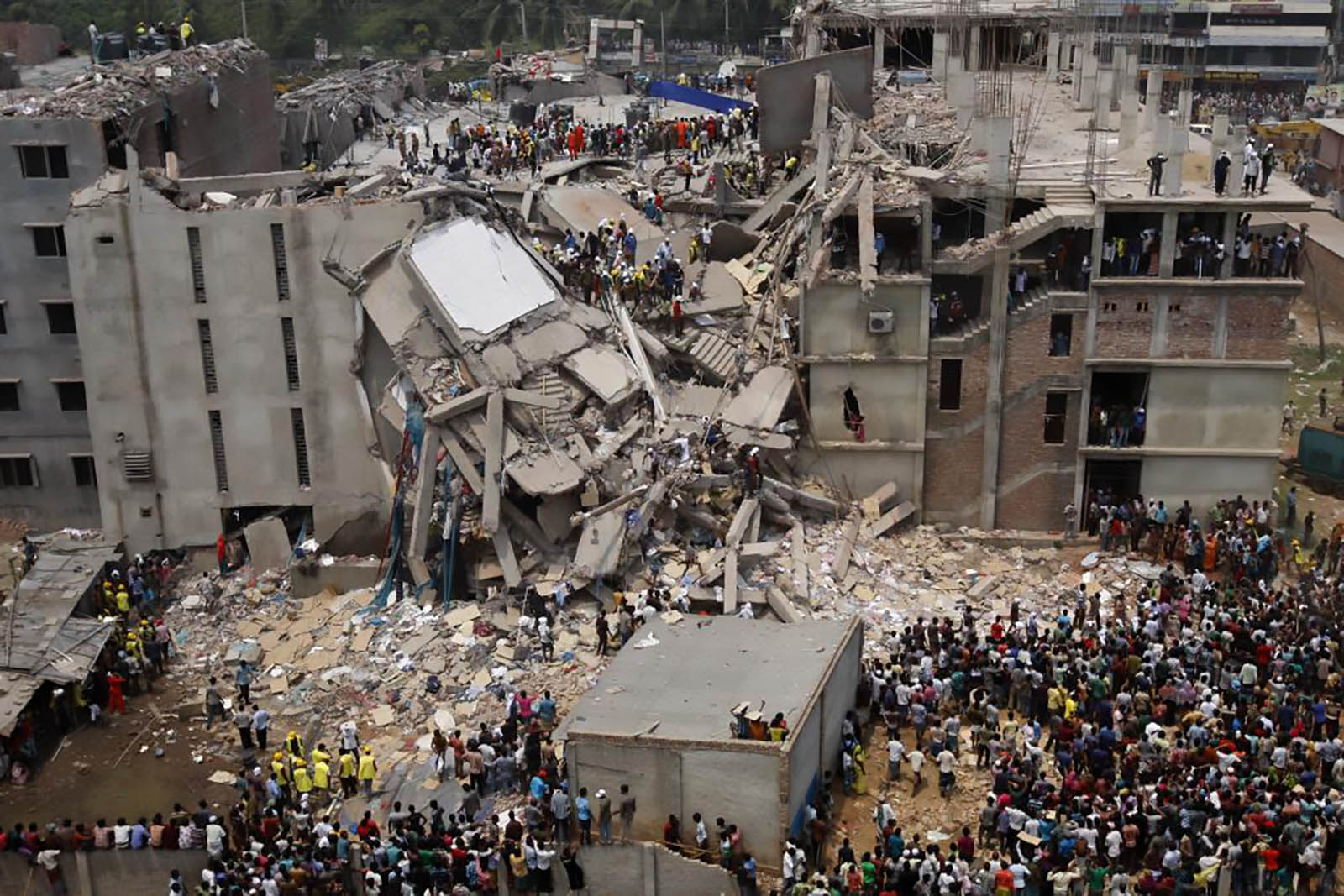
The 2013 Rana Plaza disaster led to an unprecedented initiative based on principles of industrial democracy to prevent future factory deaths in the Bangladesh garment sector. Yet, write Juliane Reinecke and Jimmy Donaghey, the success of the initiative depends on whether transnational and local actors cooperate and whether a market-driven approach to labour rights renders effective in the absence of a disaster
Professor of Human Resource Management, University of South Australia
Jimmy has been in his current post since January 2020.
He received his PhD on social partnership in Ireland from Queen's University Belfast, where he subsequently held a lectureship in management from 2002–2010.
In 2010, he joined the University of Warwick as Associate Professor in international and comparative employment relations, and was a member of the Industrial Relations Research Unit (IRRU).
He was promoted to Professor in 2015.
Jimmy's research interests focus on the effects of globalisation on the employment relationship and worker voice.
This has included examining social pacts in the context of globalisation, the role of the EU in employment relations governance and laterally on the governance of employment standards in global supply chains.
His main current research focus is on the developments in transnational governance of workplace health and safety post Rana Plaza in the Bangladesh garment sector.
The Loop
Cutting-edge analysis showcasing the work of the political science discipline at its best.
We use necessary cookies to make our site work. We'd also like to set analytics cookies that help us make improvements by measuring how you use the site. These will be set only if you accept.
▼
Strictly Necessary Cookies
Necessary cookies enable core functionality such as security, network management, and accessibility. You may disable these by changing your browser settings, but this may affect how the website functions.
▼
Analytics Cookies
Google Analytics
We'd like to set Google Analytics cookies to help us improve our website by collecting and reporting information on how you use it. The cookies collect information in a way that does not directly identify anyone. For more information on how these cookies work please see our Privacy Notice.