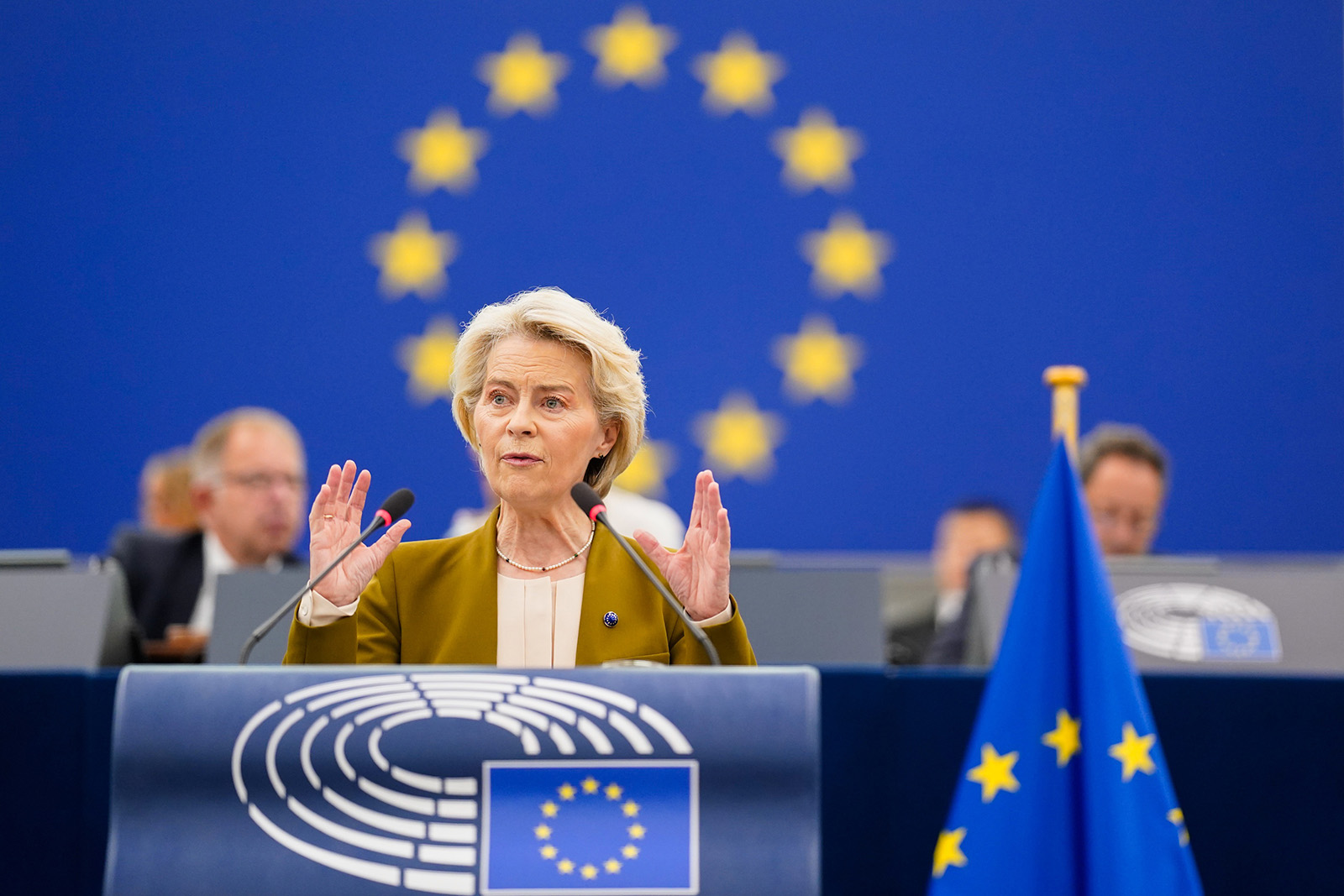
Pro-EU MEPs have long pursued a logic of democratisation based on institutional mimicry. But as Jan Pieter Beetz, Gilles Pittoors and Wouter Wolfs argue, this path has become ideologically entrenched at the expense of alternative models that might better connect with European citizens
Assistant Professor in Political Theory and European integration, Utrecht University School of Governance
Jan Pieter holds a PhD in political theory from the University of Exeter.
His research aims to understand which values can realistically inform institutions and policies for a secure, free and democratic Europe in the 21st century.
Jan Pieter's research topics include the democratic theories of the EU, backsliding in EU member states, administrative ethics in times of democratic decline, and the integration of empirical and normative reflection in political theory.
He studied public administration and philosophy at the Erasmus University Rotterdam and University of Sydney.
During his PhD, Jan Pieter was a visiting scholar at the University of California, Berkeley and University of Amsterdam.
Before joining Utrecht University in 2018, he held academic positions at Leiden University (public administration), Vrije Universiteit Amsterdam (ACCESS EUROPE postdoctoral scholar), Radboud University Nijmegen (political science and theory), and Leiden University (philosophy).
His work has amongst others been published in the Journal of European Public Policy, the Journal of Common Market Studies, Political Studies, and the Journal of European Integration.
We use necessary cookies to make our site work. We'd also like to set analytics cookies that help us make improvements by measuring how you use the site. These will be set only if you accept.
▼
Strictly Necessary Cookies
Necessary cookies enable core functionality such as security, network management, and accessibility. You may disable these by changing your browser settings, but this may affect how the website functions.
▼
Analytics Cookies
Google Analytics
We'd like to set Google Analytics cookies to help us improve our website by collecting and reporting information on how you use it. The cookies collect information in a way that does not directly identify anyone. For more information on how these cookies work please see our Privacy Notice.