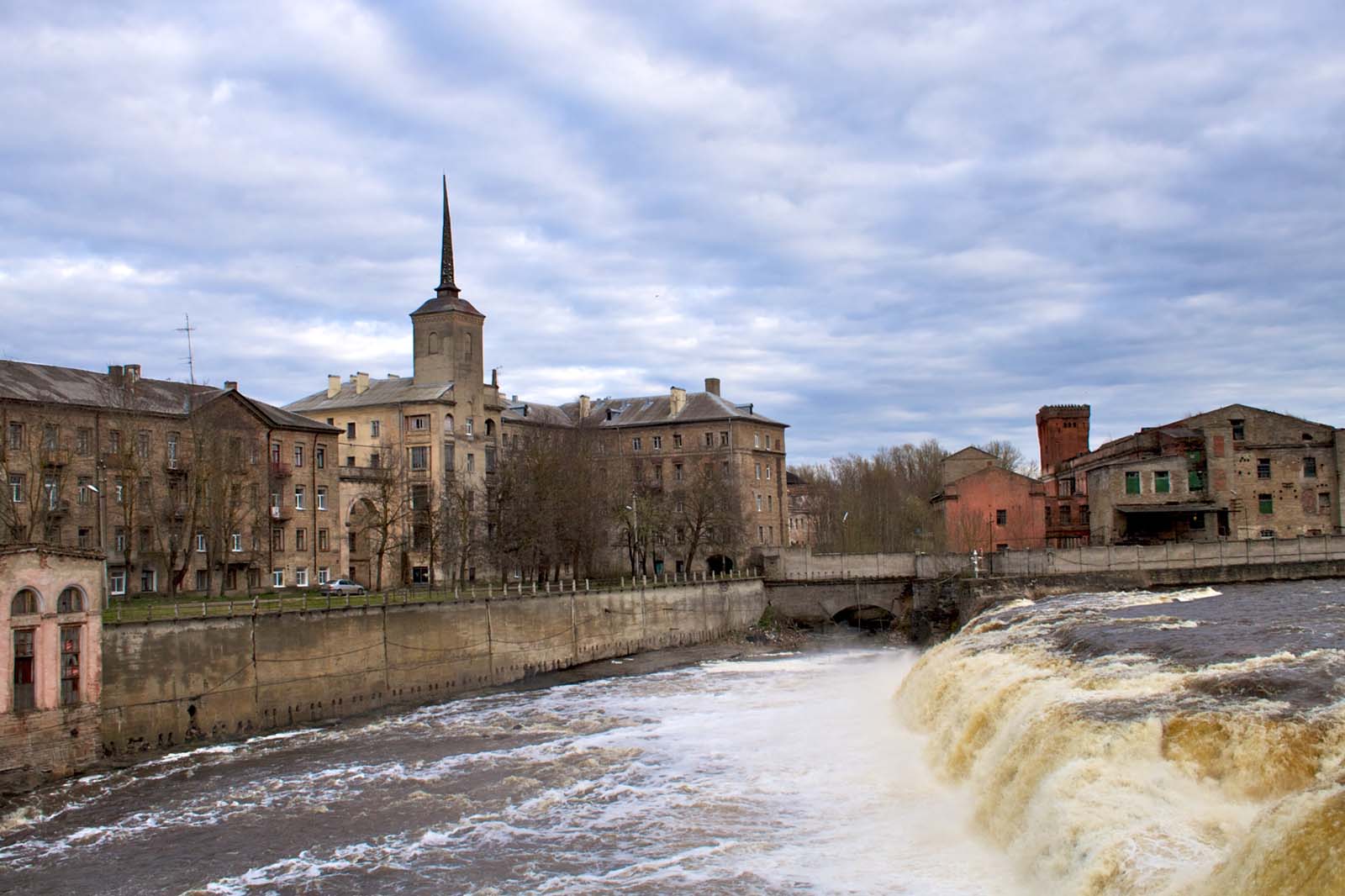
In March this year, a Russian online campaign promoted a fake 'Narva People’s Republic' in Estonia. It flopped. But the playbook behind it is still in use. Ibrahim Mammadli argues that Estonia can control only one step of that playbook: whether there are real grievances for Moscow to exploit. That makes integration, not tougher rules, the country’s most important security policy
Junior Research Fellow (PhD Candidate), Johan Skytte Institute of Political Studies, University of Tartu
Ibrahim holds an MA in International Relations and Regional Studies from the University of Tartu (2025) and a Graduate Certificate in Mediation and Conflict Resolution from the University of San Diego.
His doctoral research examines peace and violence in secessionist movements and the conditions under which such movements succeed.
Ibrahim's wider interests include conflict resolution and peacebuilding, secessionism and self-determination, conflict, and peace studies.
Alongside his academic work, Ibrahim has worked at think tanks in Azerbaijan and Estonia, and has written policy analyses and op-eds for outlets including Postimees, Politicon, and Caucasus Edition, covering Armenian-Azerbaijani peace perspectives, regional security in the South Caucasus, and the wider effects of the war in Ukraine.
He is an experienced trainer and facilitator in conflict transformation and has taken part in Armenian-Azerbaijani dialogue initiatives between 2019 and 2023.
In this capacity, he has led peacebuilding training and debates for young people, including in conflict-affected communities in rural Azerbaijan.
We use necessary cookies to make our site work. We'd also like to set analytics cookies that help us make improvements by measuring how you use the site. These will be set only if you accept.
▼
Strictly Necessary Cookies
Necessary cookies enable core functionality such as security, network management, and accessibility. You may disable these by changing your browser settings, but this may affect how the website functions.
▼
Analytics Cookies
Google Analytics
We'd like to set Google Analytics cookies to help us improve our website by collecting and reporting information on how you use it. The cookies collect information in a way that does not directly identify anyone. For more information on how these cookies work please see our Privacy Notice.