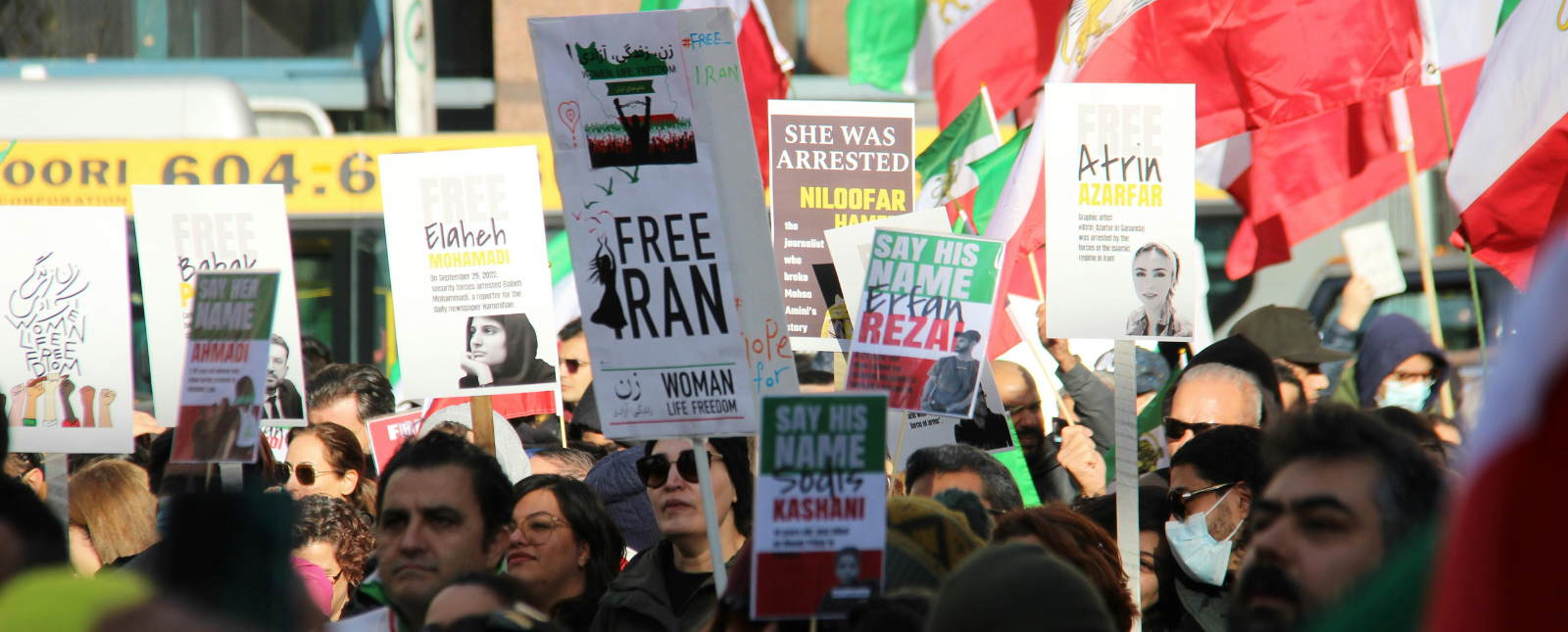

Hossein Kermani argues that a largely voiceless majority in Iran is routinely misrepresented by both the Islamic regime and its loudest opponents. Amid the current Iran-Israel-US conflict, he shows how many Iranians are rejecting simplistic binaries and instead are confronting the war’s causes, costs, and uncertainties
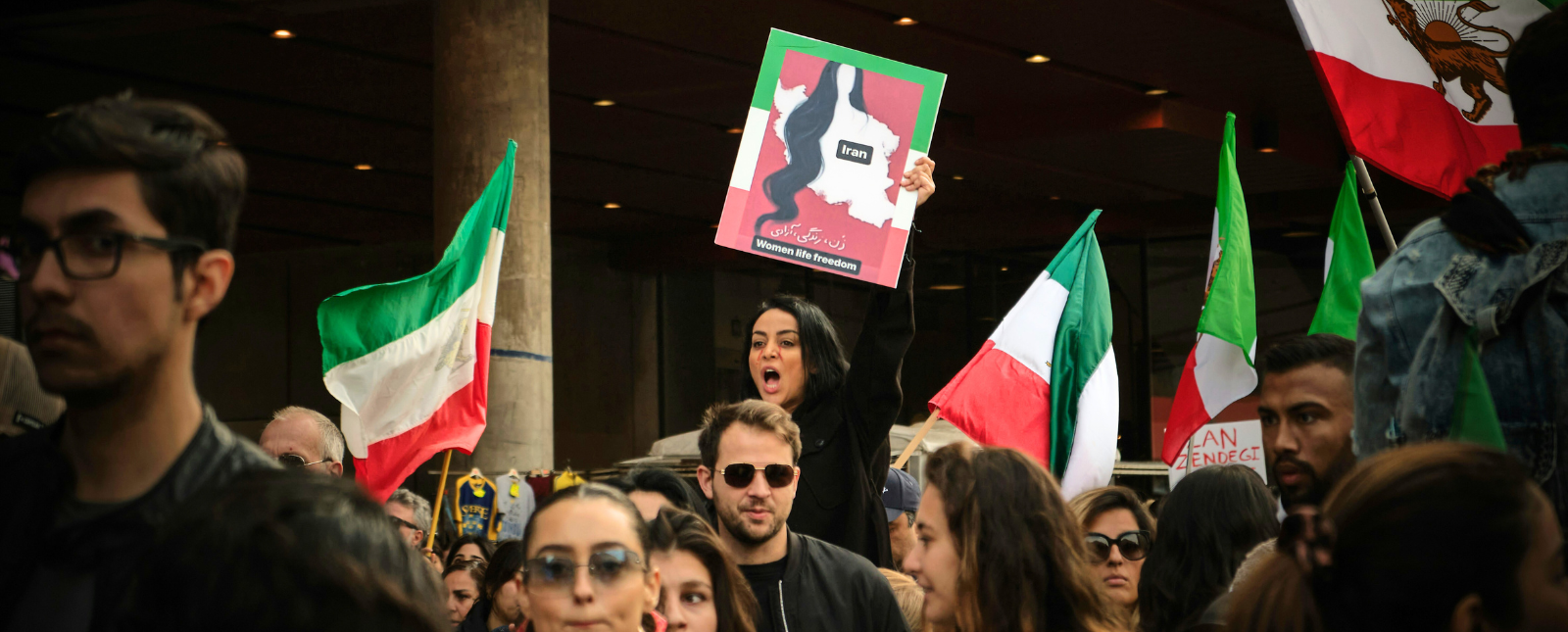
Hossein Kermani argues that the Islamic Republic’s staying power relies as much on fracturing its opposition as it does on repression. Here, he explains how depolarising rhetoric, institutional transparency, and durable organisation will sustain pressure, protect activists during crackdowns, and ensure the failure of the regime's divide-and-conquer tactics
Postdoctoral Researcher, Political Communication Group, University of Vienna
Hossein is studying social media, digital repression, computational propaganda, and political activism in restrictive contexts, with particular attention to Iran.
His research mainly revolves around a) the discursive power of social media in changing the microphysics of power and playing with the political and social structures, and b) the strategies that have been employed to manipulate and dismantle social media activism in non-democratic societies.
In his research, Hossein is primarily combining social and communication theories with computational techniques, particularly Social Network Analysis (SNA), Natural Language Processing (NLP), and critical discourse analysis.
He is the principal investigator of the BeyondCBA project, which is funded by WWTF.
Hossein has recently published in, among others, New Media & Society, Big Data & Society, Information, Communication and Society, and Asian Journal of Communication.
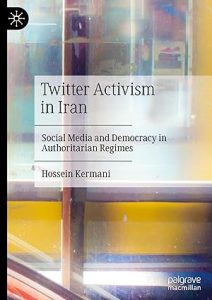
His first book, Social Media Research in Iran (in Farsi), was published in 2020. His first English book, Twitter Activism in Iran, was published in 2025. Hossein is now working on his second monograph, The Art of Delirium: Social Media Suppression in Authoritarian Regimes, which will be published by Springer Nature in 2027.
We use necessary cookies to make our site work. We'd also like to set analytics cookies that help us make improvements by measuring how you use the site. These will be set only if you accept.
▼
Strictly Necessary Cookies
Necessary cookies enable core functionality such as security, network management, and accessibility. You may disable these by changing your browser settings, but this may affect how the website functions.
▼
Analytics Cookies
Google Analytics
We'd like to set Google Analytics cookies to help us improve our website by collecting and reporting information on how you use it. The cookies collect information in a way that does not directly identify anyone. For more information on how these cookies work please see our Privacy Notice.
