
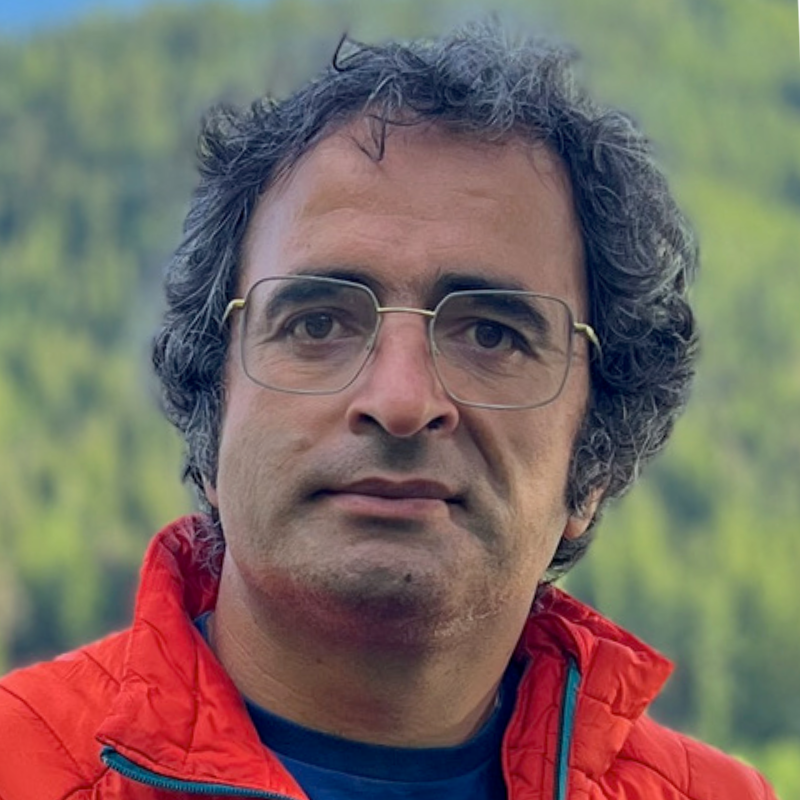
Hossein is studying social media, digital repression, computational propaganda, and political activism in restrictive contexts, with particular attention to Iran.
His research mainly revolves around a) the discursive power of social media in changing the microphysics of power and playing with the political and social structures, and b) the strategies that have been employed to manipulate and dismantle social media activism in non-democratic societies.
In his research, Hossein is primarily combining social and communication theories with computational techniques, particularly Social Network Analysis (SNA), Natural Language Processing (NLP), and critical discourse analysis.
He is the principal investigator of the BeyondCBA project, which is funded by WWTF.
Hossein has recently published in, among others, New Media & Society, Big Data & Society, Information, Communication and Society, and Asian Journal of Communication.
His first book, Social Media Research in Iran (in Farsi), was published in 2020. His first English book, Twitter Activism in Iran, was published in 2025. Hossein is now working on his second monograph, The Art of Delirium: Social Media Suppression in Authoritarian Regimes, which will be published by Springer Nature in 2027.
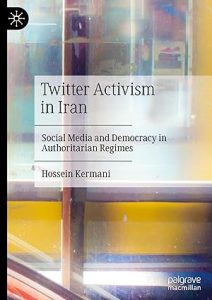
Twitter Activism in Iran, Palgrave Macmillan, 2025

