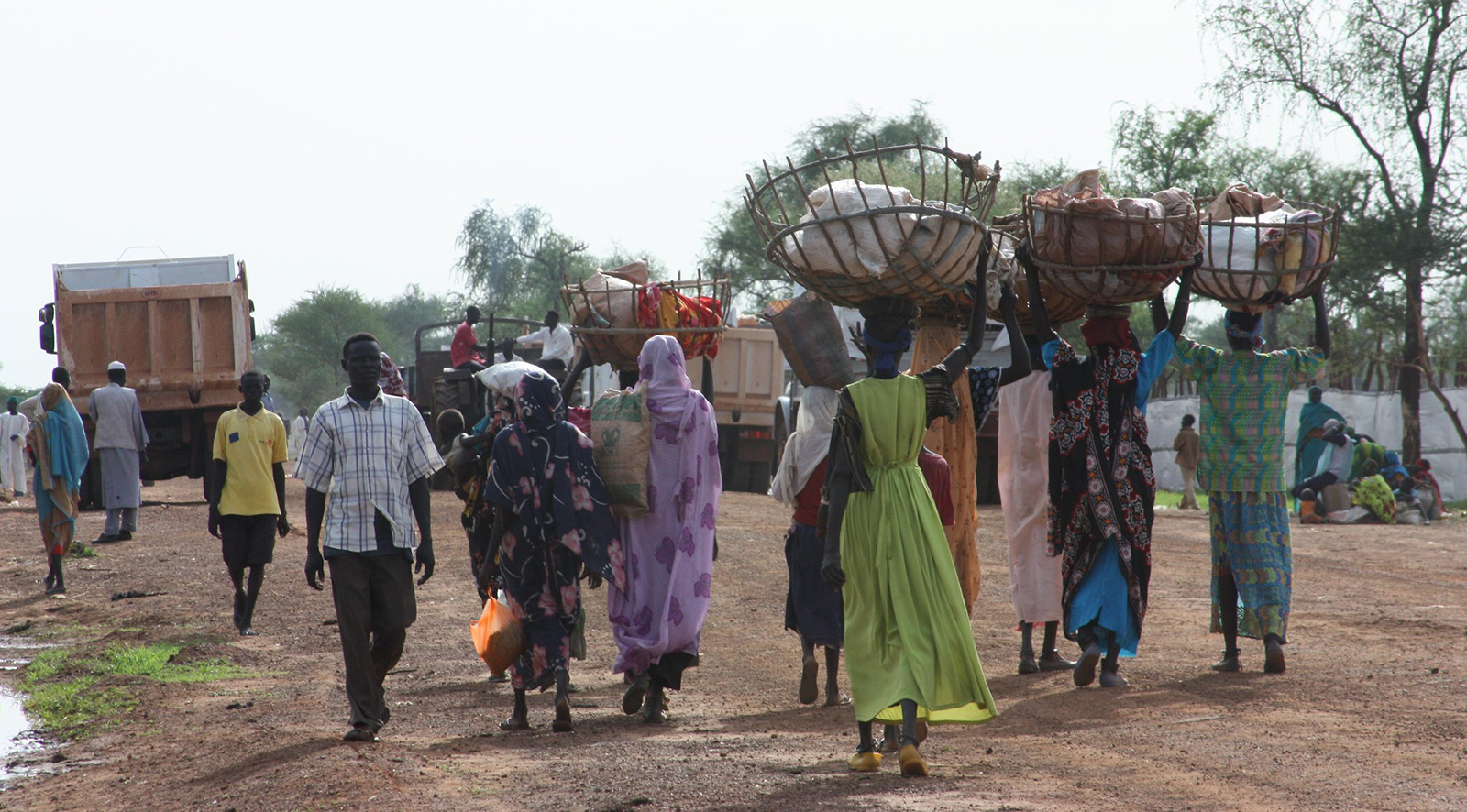
The war in Sudan has passed the five-month mark, and peace efforts seem to have plateaued. Breaking down Sudan’s political system and transition since 2019, Hager Ali explains how defective interim governance enabled the violent power struggle between the country’s largest armed forces. She argues that past political systems could still undermine present peace efforts […]
When democracies’ most basic features lose their distinctive edge, differentiating regime types becomes a problem for scholars of democracy and autocracy alike. Hager Ali wants to redraw demarcations between regimes across the political spectrum. To do so, she argues that civilian control over militaries is just as fundamental as suffrage
The study of regime types, Hager Ali argues, is imbalanced. Theories and concepts of democracy have received attention for decades. But amid the resurgence of autocracies, scholars of authoritarianism still do not have the luxury of nuanced typologies to dissect the broad spectrum of non-democratic regimes
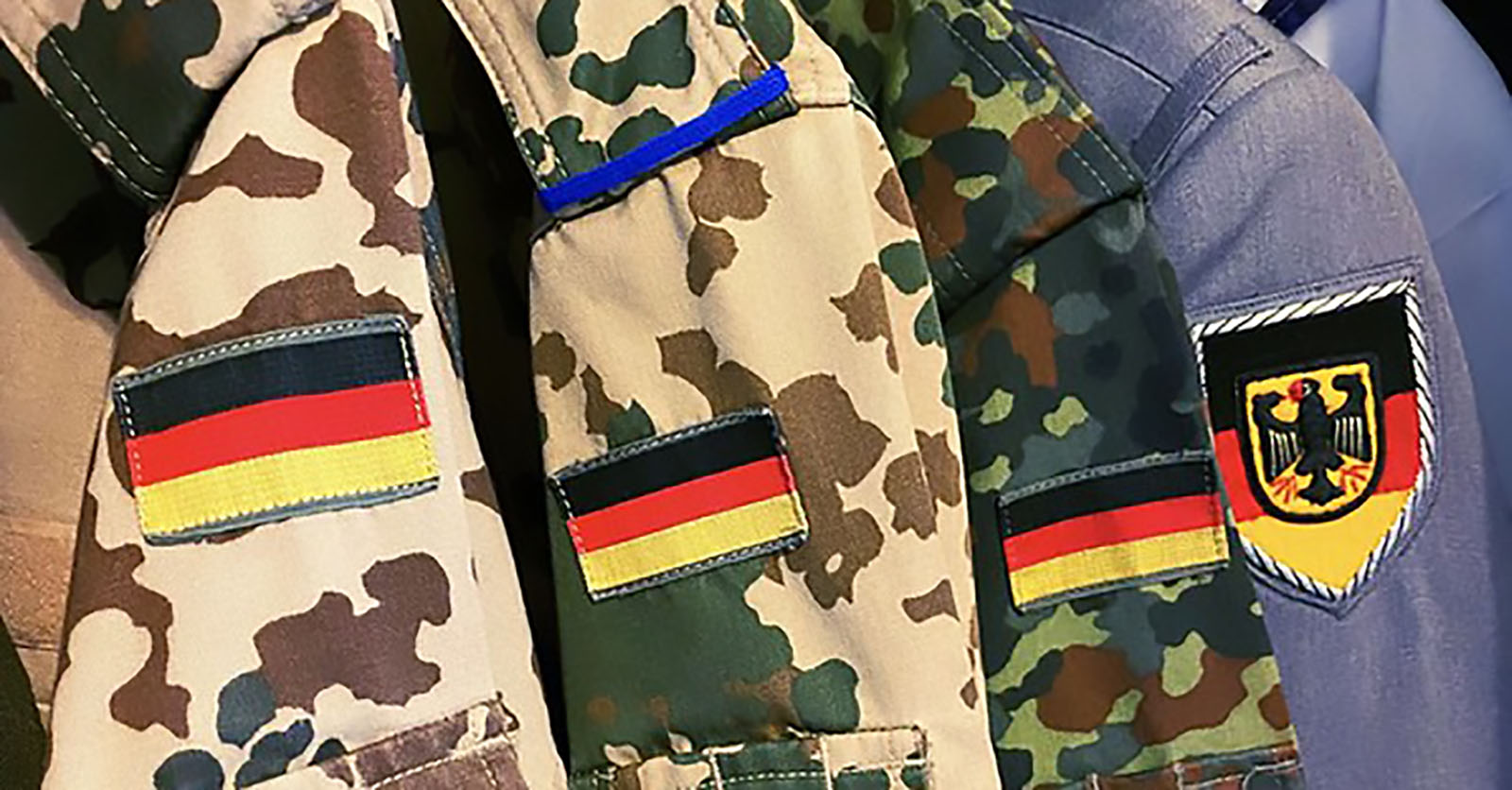
Years of austerity has stifled Germany’s army, the Bundeswehr, but Hager Ali argues that money is the least of it. Salvaging the Bundeswehr means reconfiguring German military professionalism – and fixing its relations with the public
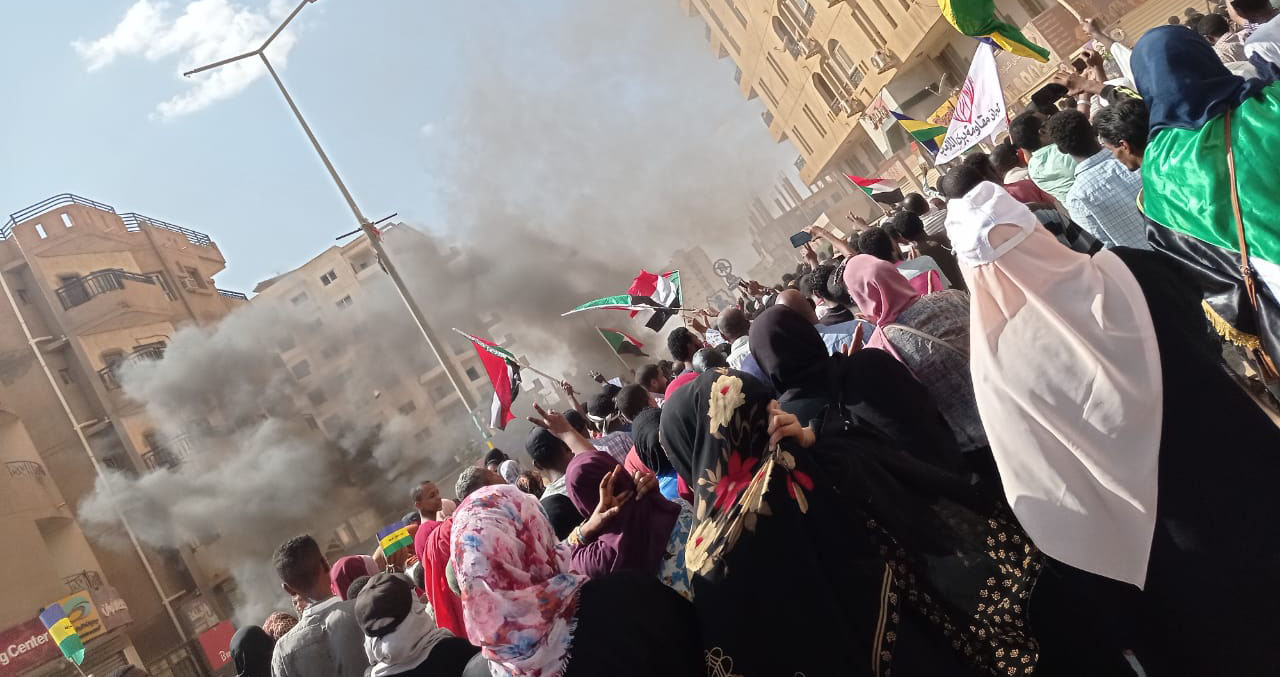
A military coup on 25 October put an abrupt end to Sudan’s fragile democratic transition. Hager Ali argues that although the coup pre-empted a foreseeable power-transfer, the military also created a much bigger problem for itself. The same socio-political conditions that kept al-Bashir in power for decades now threaten the military’s capacity to govern
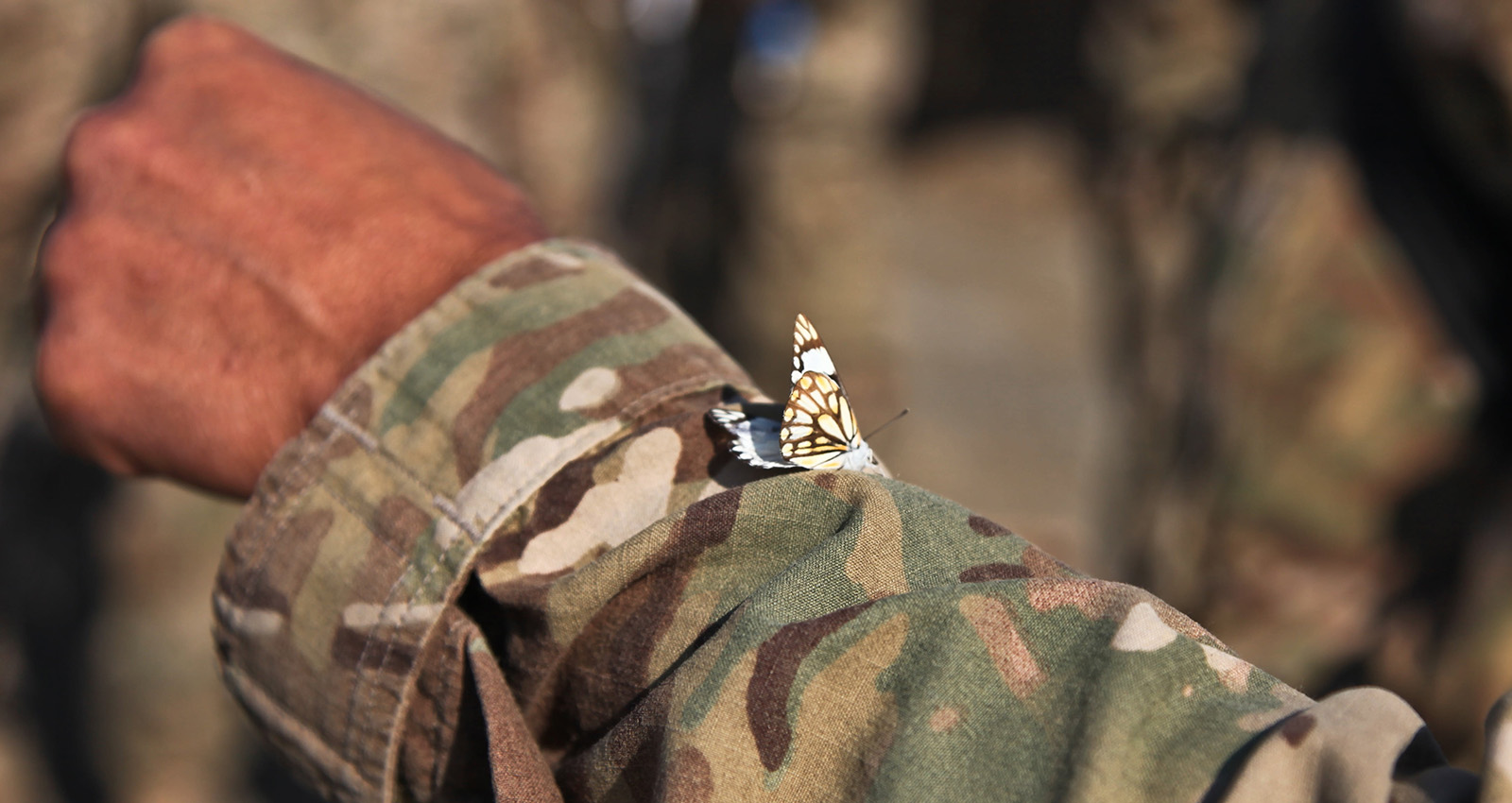
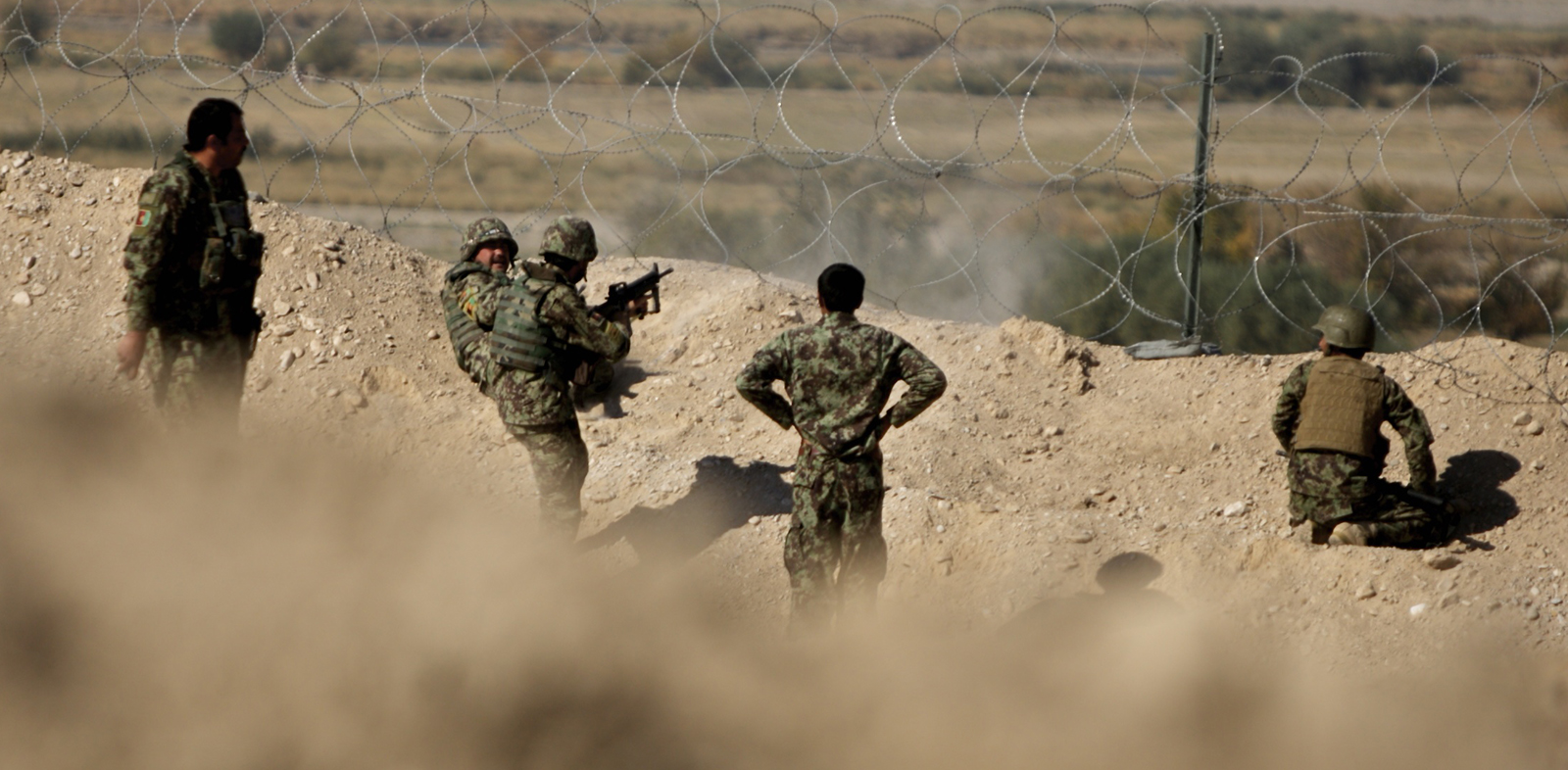
Just days after the US military withdrawal from Afghanistan, the Taliban seized power. Hager Ali argues that the US army and its allies foundered because they couldn't resolve two simple questions: What was Resolute Support’s end state actually supposed to look like? And was it ever attainable through military involvement?
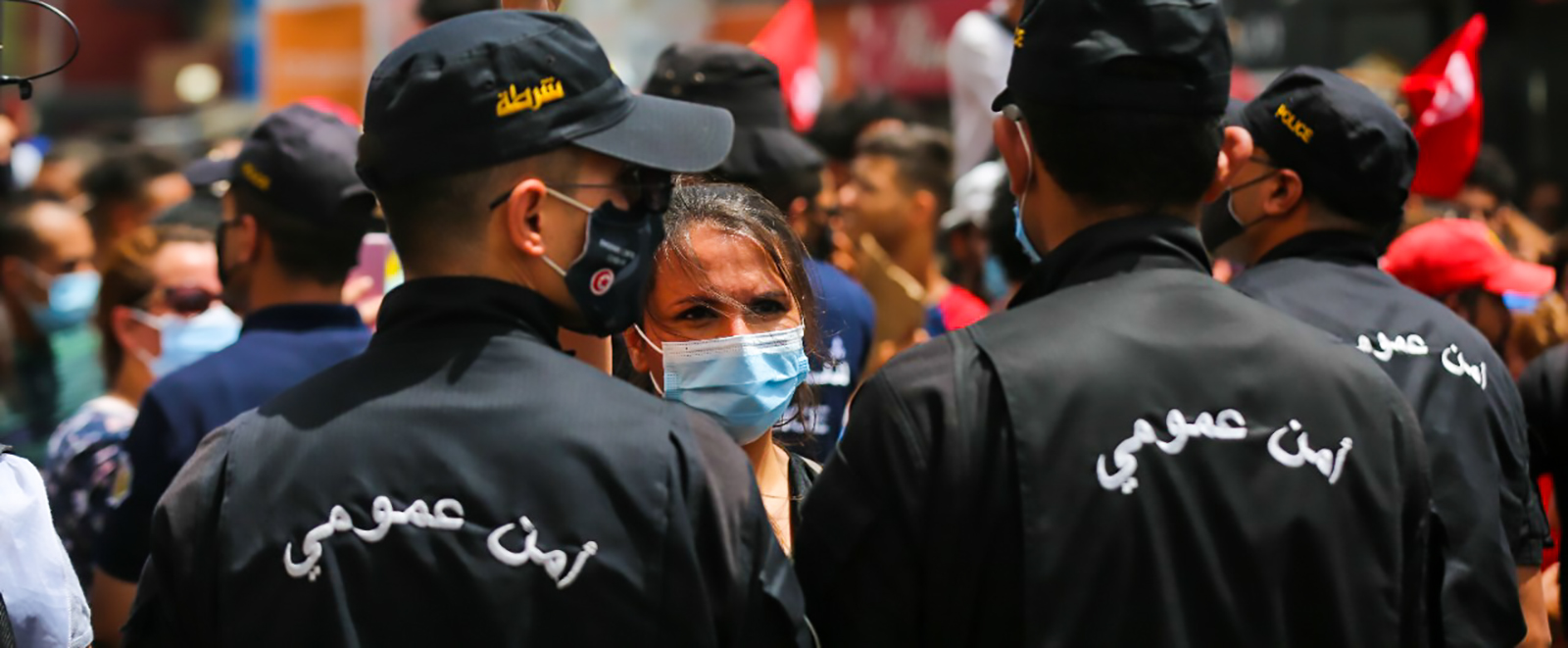
Over recent weeks, Western pundits have been quick to claim recent events in Tunisia are evidence of a ‘failed democracy experiment’. But Hager Ali and Ameni Mehrez argue that the protests are more a testament to democratic resilience than failure
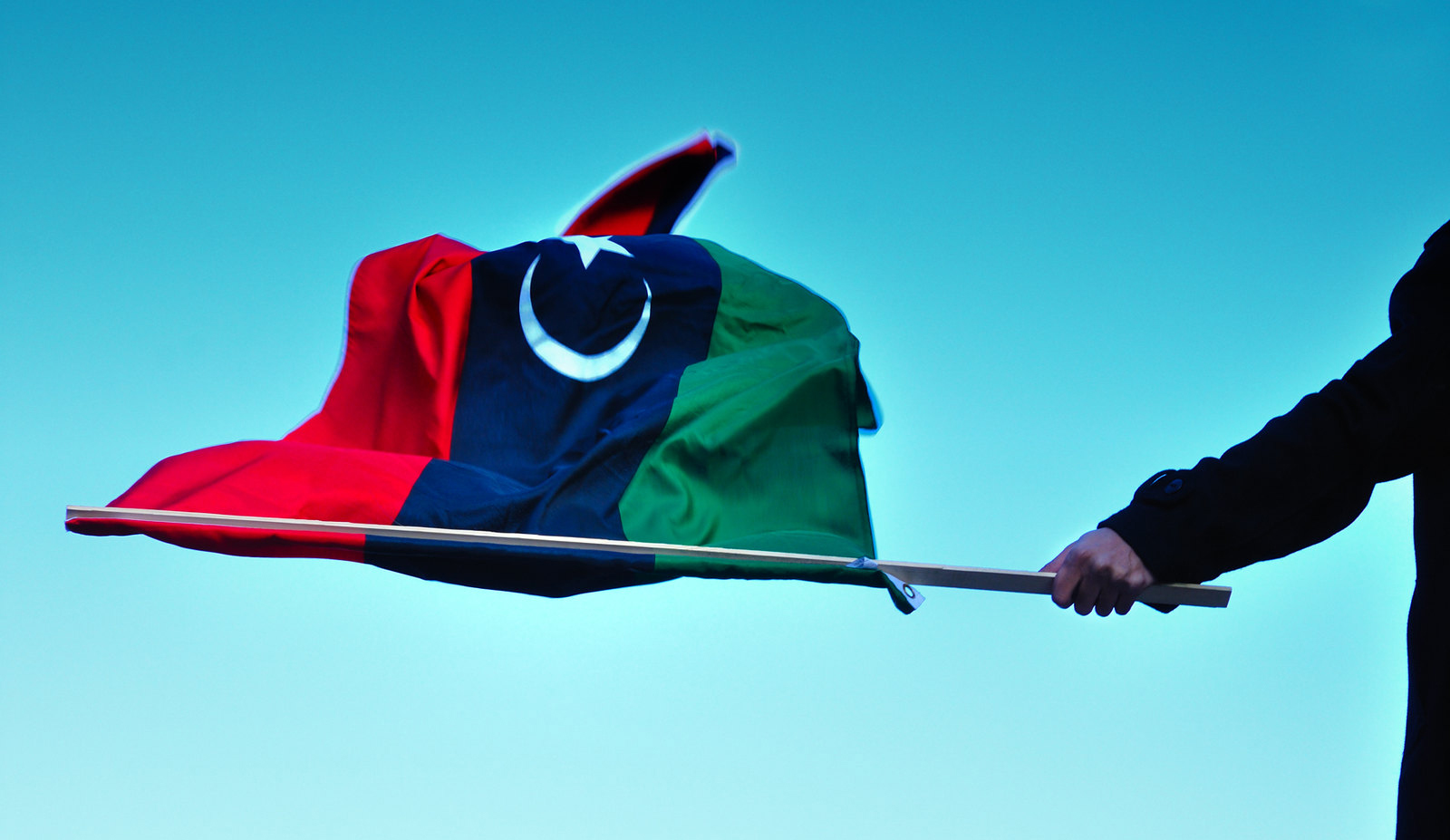
Only a few months remain before elections in Libya. But Western policymakers are focusing on election preparations and the withdrawal of foreign mercenaries, to the neglect of other pressing matters. Hager Ali argues that unless Libya tackles its political and military problems, elections may prove little more than a sticking plaster on a bullet wound
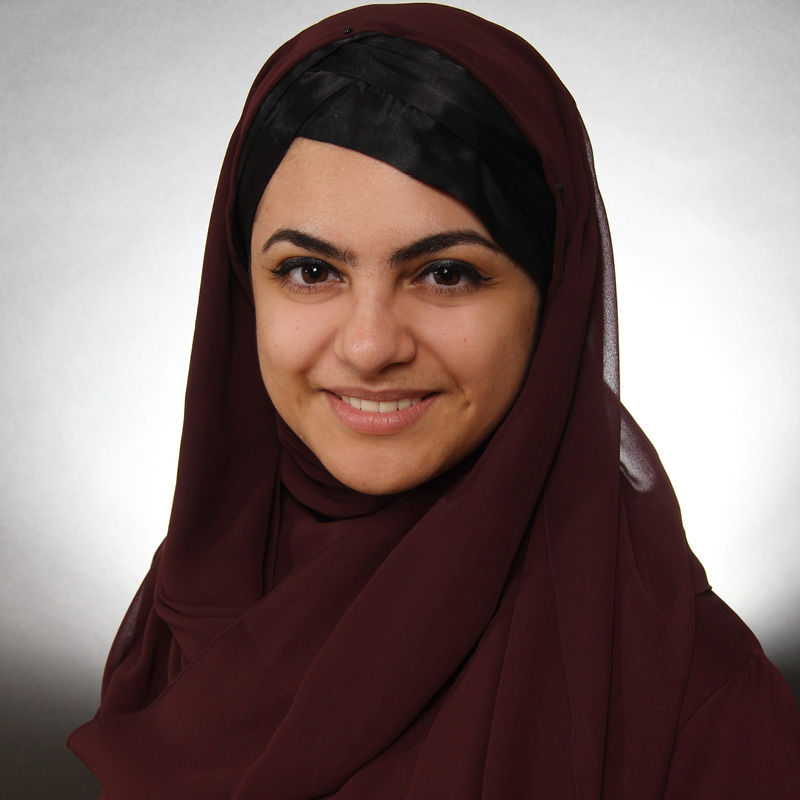
Research Fellow and Doctoral Student, GIGA Institute for Middle East Studies, Hamburg
Hager's research focuses on civil-military relations, regime stability, and authoritarian politics across the Middle East and North Africa.
She received her MA from Central European University in Budapest, Hungary, where she specialised in comparative political science, and her BA in Political Science and Sociology from Goethe University Frankfurt am Main, Germany.
We use necessary cookies to make our site work. We'd also like to set analytics cookies that help us make improvements by measuring how you use the site. These will be set only if you accept.
▼
Strictly Necessary Cookies
Necessary cookies enable core functionality such as security, network management, and accessibility. You may disable these by changing your browser settings, but this may affect how the website functions.
▼
Analytics Cookies
Google Analytics
We'd like to set Google Analytics cookies to help us improve our website by collecting and reporting information on how you use it. The cookies collect information in a way that does not directly identify anyone. For more information on how these cookies work please see our Privacy Notice.