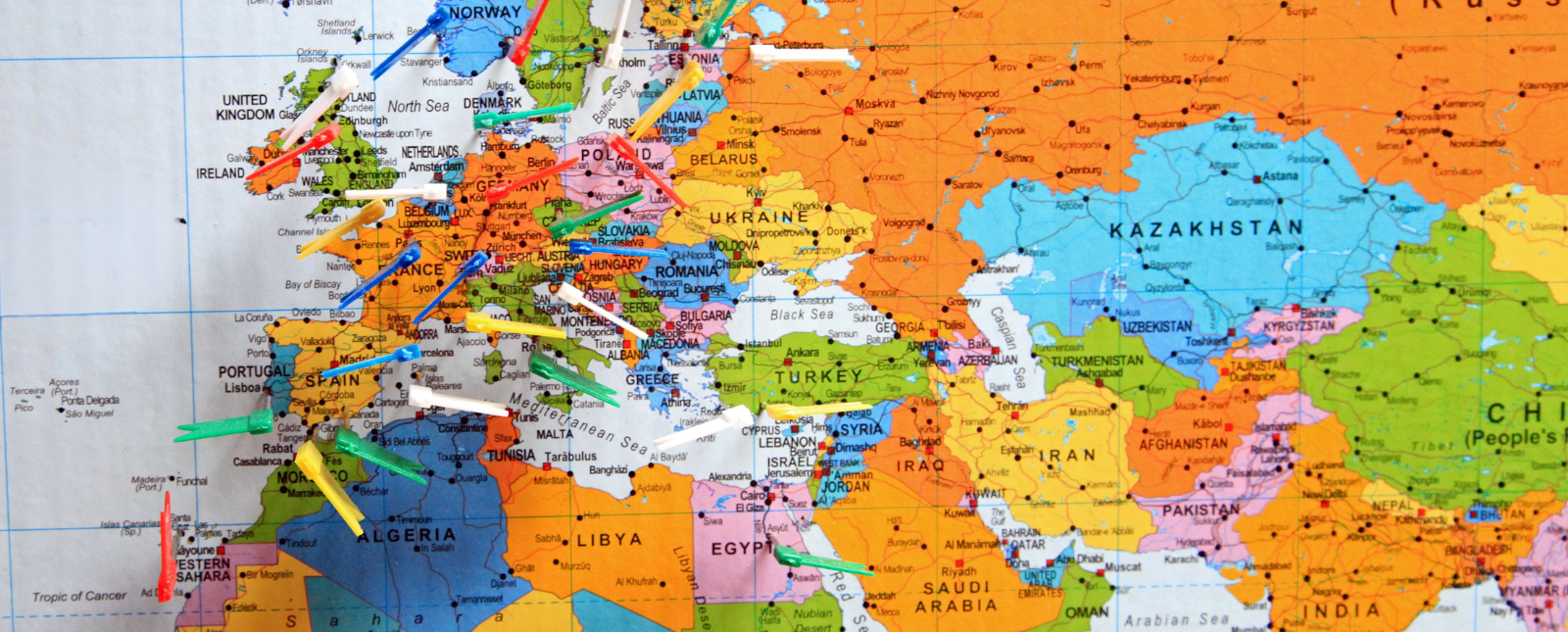
The recent Dutch parliamentary elections and the popular vote on electronic ID in Switzerland revealed the considerable influence of the expat diaspora, which adds crucial votes to overall election results. National political parties, argue Adrian Favero and Gilles Pittoors, need to harness the power of transnational organisations to mobilise non-resident voters
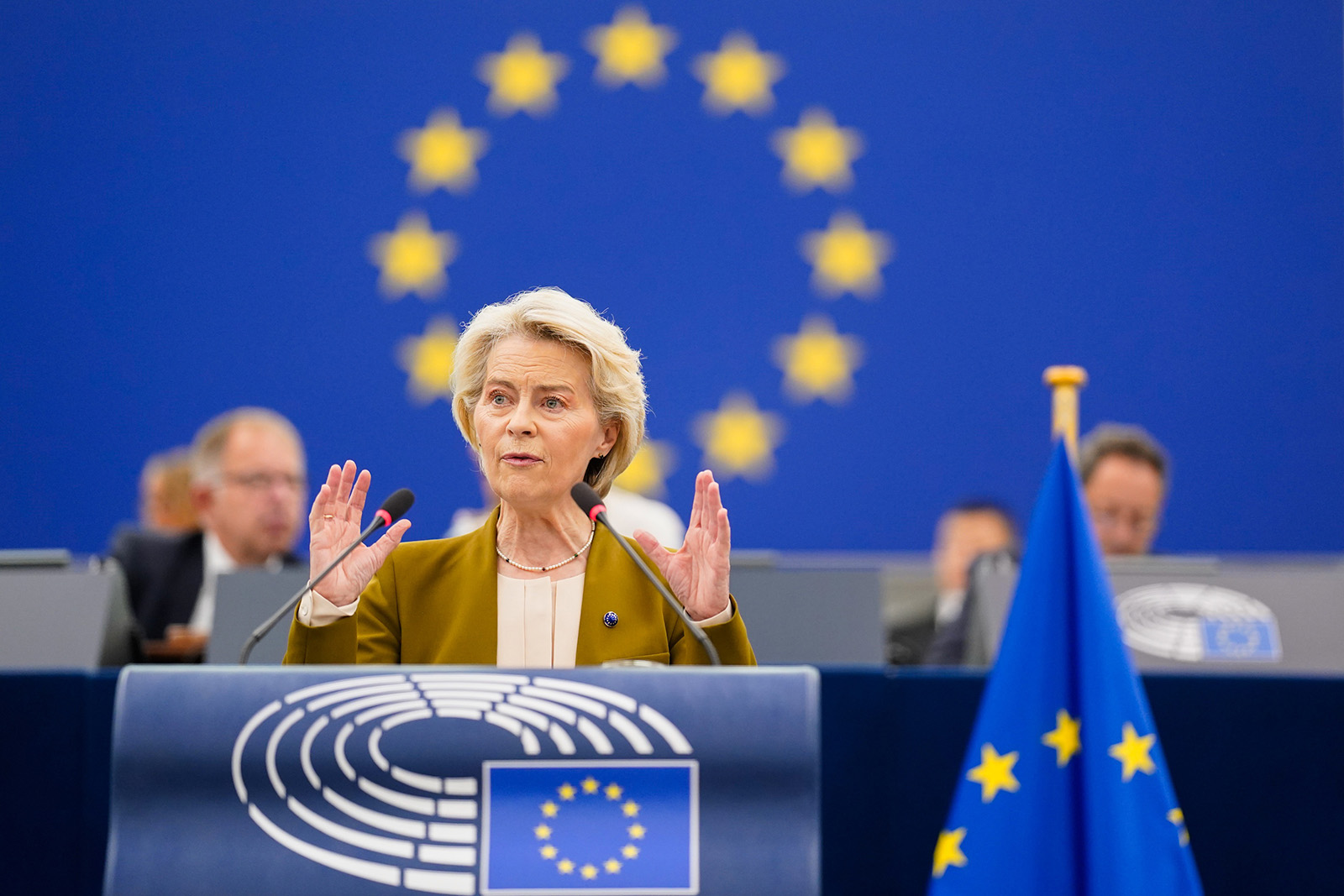
Pro-EU MEPs have long pursued a logic of democratisation based on institutional mimicry. But as Jan Pieter Beetz, Gilles Pittoors and Wouter Wolfs argue, this path has become ideologically entrenched at the expense of alternative models that might better connect with European citizens
Lecturer, Department of Political Science, KU Leuven
Gilles' research addresses questions of EU democracy from a multilevel and transnational (party) political perspective, with particular attention for the Europeanisation of national democratic institutions and practices across EU Member States.
With a broad background in political science, European studies, and history, he aims to maintain an inter- and multidisciplinary perspective on the interaction between democracy and European integration.
His research has been published in top academic journals such as the European Journal of Political Research, the Journal of Common Market Studies, Government and Opposition, the Journal of European Integration, and Politics and Governance, as well as in several (edited) volumes published with Routledge and Acco.
Since 2025, he is also Co-Convenor of the ECPR Research Network on Democracy and Representation in a Transnational Space and Coordinator of the European Parliament History Network.
We use necessary cookies to make our site work. We'd also like to set analytics cookies that help us make improvements by measuring how you use the site. These will be set only if you accept.
▼
Strictly Necessary Cookies
Necessary cookies enable core functionality such as security, network management, and accessibility. You may disable these by changing your browser settings, but this may affect how the website functions.
▼
Analytics Cookies
Google Analytics
We'd like to set Google Analytics cookies to help us improve our website by collecting and reporting information on how you use it. The cookies collect information in a way that does not directly identify anyone. For more information on how these cookies work please see our Privacy Notice.