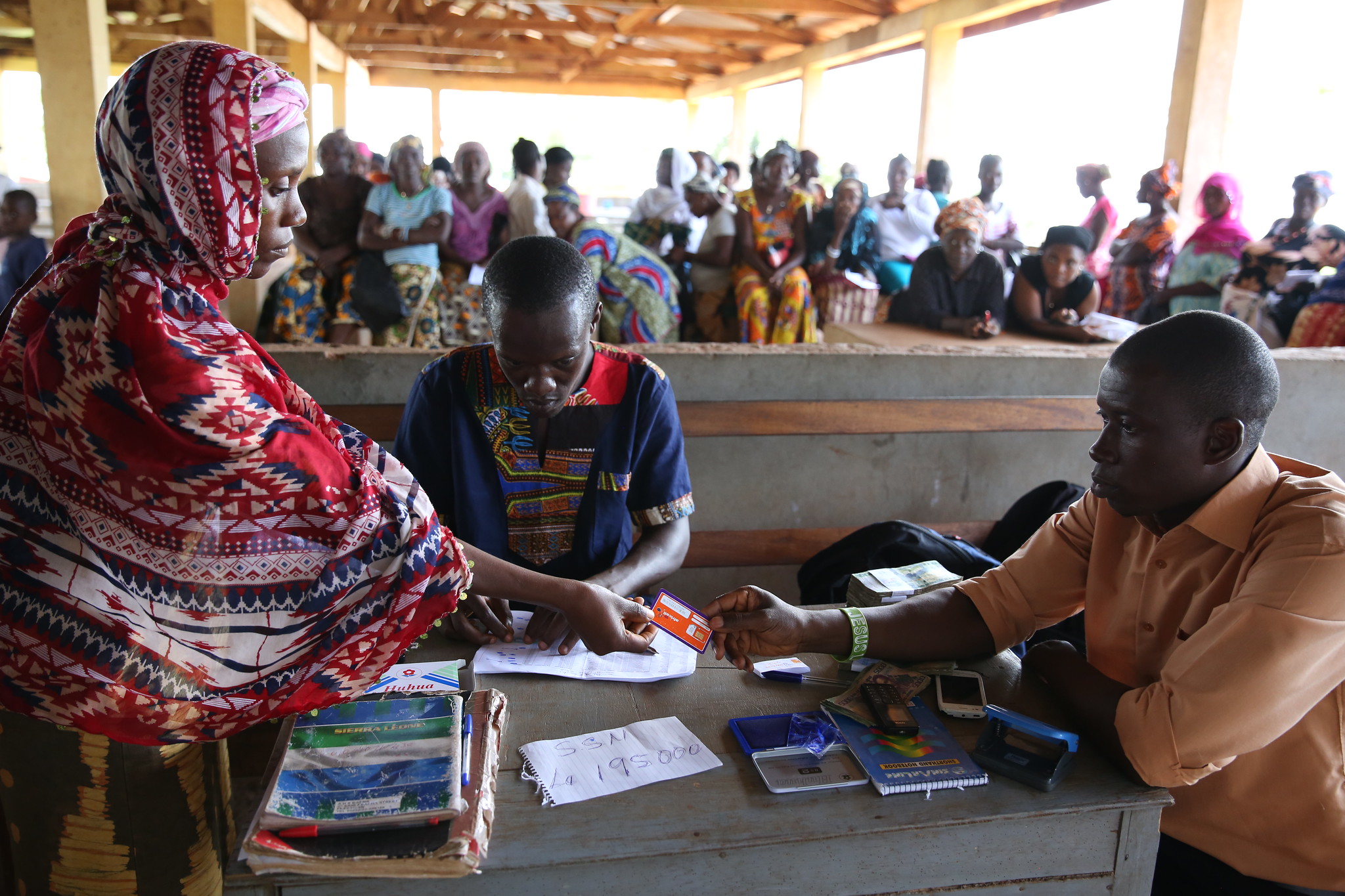
Many regard cash transfer programmes as cost-efficient tools to alleviate poverty across the Global South. But, as Guido Maschhaupt and Ahmed El Assal argue, in autocratic contexts, these programmes can have unintended – and politically significant – consequences. By supporting them, international aid donors may advertently bolster authoritarian regimes
PhD Candidate, International Institute of Social Studies, Erasmus University Rotterdam / Boğaziçi University, Istanbul
Guido specialises in comparative politics and the political economy of development.
His PhD research investigates the political effects of social protection programmes on local governance in Eastern and Southern Africa.
Case studies include social cash transfer and agricultural input subsidy programs in Malawi and Zambia.
Prior to his PhD, Guido worked for four years as a Monitoring and Evaluation specialist with the Foreign, Commonwealth, and Development Office of the UK government.
For this role, he was based in Malawi for three years, working across Malawi, Zimbabwe, and South Africa.
He holds an MSc Development Economics from SOAS, London, and a BA Liberal Arts and Sciences from University College Roosevelt in Middelburg, Netherlands.
We use necessary cookies to make our site work. We'd also like to set analytics cookies that help us make improvements by measuring how you use the site. These will be set only if you accept.
▼
Strictly Necessary Cookies
Necessary cookies enable core functionality such as security, network management, and accessibility. You may disable these by changing your browser settings, but this may affect how the website functions.
▼
Analytics Cookies
Google Analytics
We'd like to set Google Analytics cookies to help us improve our website by collecting and reporting information on how you use it. The cookies collect information in a way that does not directly identify anyone. For more information on how these cookies work please see our Privacy Notice.