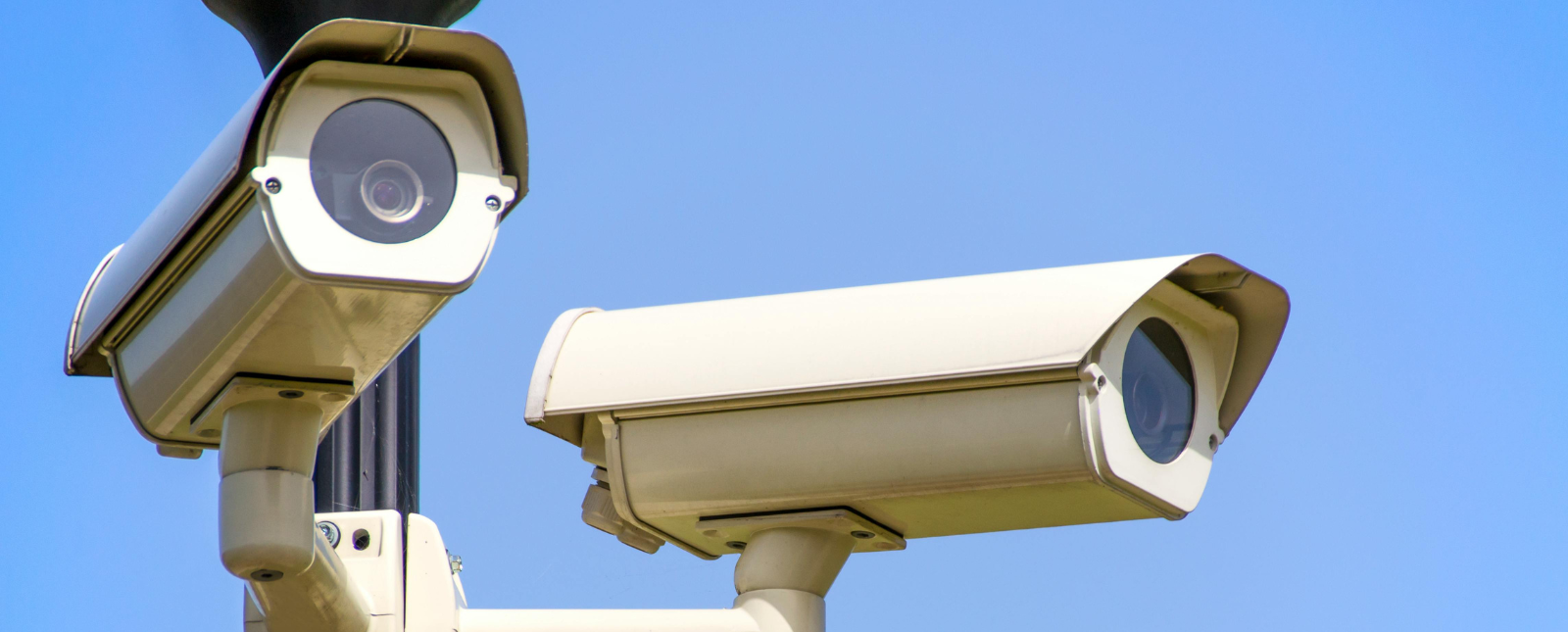
The 2024 Olympics marked a significant moment in the growing intrusion of AI surveillance into public life. Giulia Dal Bello, Sivan Hirsch-Hoefler and Daphna Canetti argue that, despite the security advantages, governments need to account for public perceptions of surveillance, as negative views may fuel collective action against state authority.
Giulia is a research fellow of the IDIT PhD Fellowship, and research fellow at the Center for Cyber, Law and Policy (CCLP) at the University of Haifa.
She specialises in public opinion in the context of terrorism and state surveillance.
Under the supervision of Daphna Canetti and Sivan Hirsch-Hoefler, Giulia’s current research explores the cognitive and emotional mechanisms that mediate the relationship between exposure to state surveillance and citizens’ willingness to engage in collective action.
In her research, she employs multidisciplinary methodologies from Political Science and Neuroscience including a comparative study between Italy and Israel, and functional neuroimaging (fMRI) studies conducted at the Rambam Health Care Campus and the Ruth and Meir Rosental Brain Imaging Center at Reichman University.
We use necessary cookies to make our site work. We'd also like to set analytics cookies that help us make improvements by measuring how you use the site. These will be set only if you accept.
▼
Strictly Necessary Cookies
Necessary cookies enable core functionality such as security, network management, and accessibility. You may disable these by changing your browser settings, but this may affect how the website functions.
▼
Analytics Cookies
Google Analytics
We'd like to set Google Analytics cookies to help us improve our website by collecting and reporting information on how you use it. The cookies collect information in a way that does not directly identify anyone. For more information on how these cookies work please see our Privacy Notice.