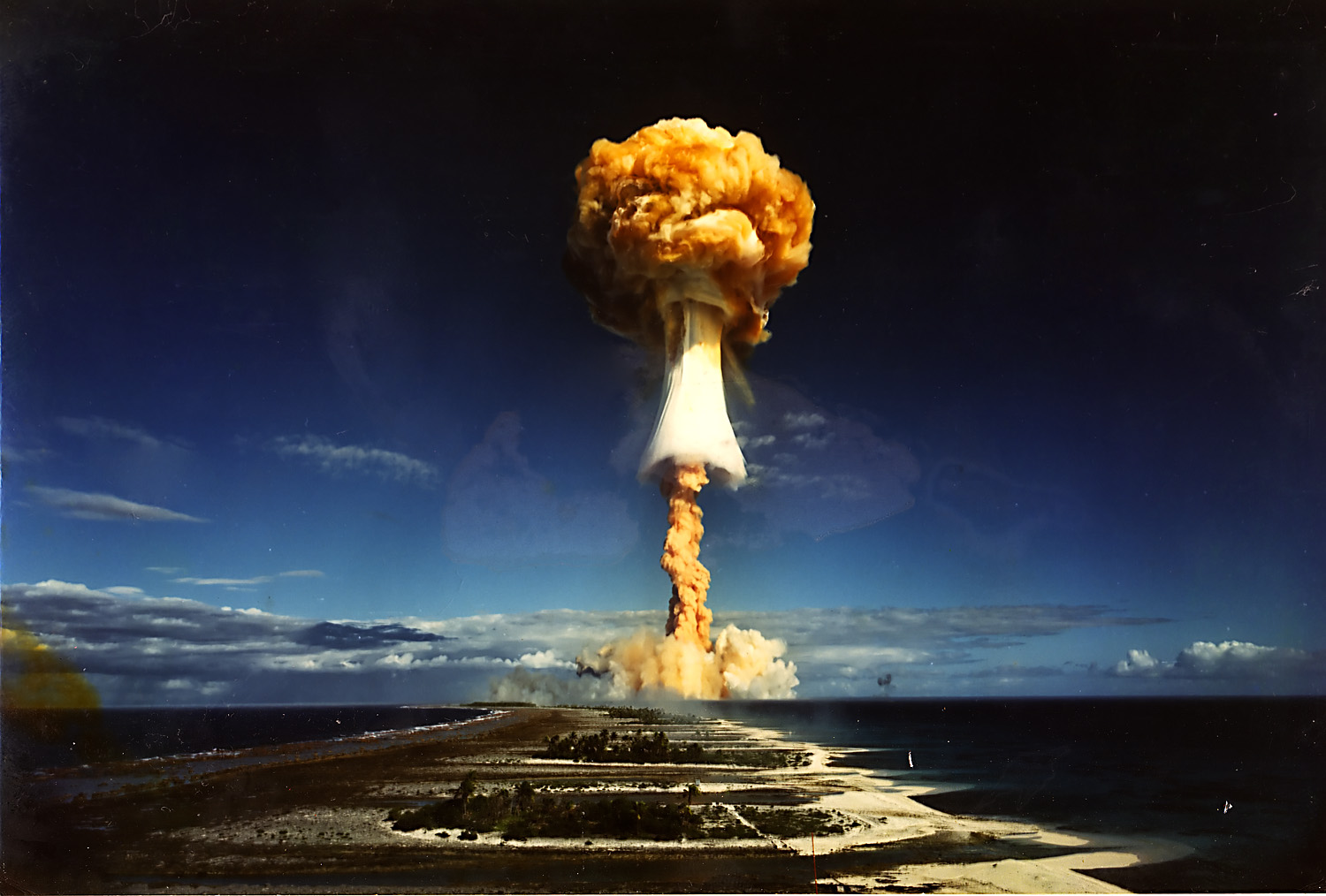
The world has entered a dangerous new nuclear age, prompting nuclear states to double down on their commitment to nuclear deterrence. Carolina Pantoliano and Rhys Crilley say we must critically examine this rhetoric. Here, they explore how popular culture shapes the nuclear issue, and how it can help build support for disarmament
Postdoctoral Research Associate, Nuclear Arms Control and Disarmament, University of Glasgow
Before joining Glasgow in 2024, Carolina was a Teaching Fellow in Global Governance at the University of Auckland.
She holds a PhD in Politics and International Relations from the University of Auckland and specialises in the politics of nuclear weapons.
Her research examines the mechanisms that produce and reiterate knowledge about nuclear weapons, with a focus on theorising ways to advance disarmament.
More broadly, her research interests include feminist, poststructuralist, and postcolonial approaches to global politics, particularly in the areas of international security, global governance, and norm dynamics.
Carolina's work has been published in leading academic journals such as International Affairs, Contemporary Security Policy, and the Review of International Studies.
As a member of the Atomic Anxiety in the New Nuclear Age team, she works to deliver innovative research and impact aimed at improving arms control and disarmament.
We use necessary cookies to make our site work. We'd also like to set analytics cookies that help us make improvements by measuring how you use the site. These will be set only if you accept.
▼
Strictly Necessary Cookies
Necessary cookies enable core functionality such as security, network management, and accessibility. You may disable these by changing your browser settings, but this may affect how the website functions.
▼
Analytics Cookies
Google Analytics
We'd like to set Google Analytics cookies to help us improve our website by collecting and reporting information on how you use it. The cookies collect information in a way that does not directly identify anyone. For more information on how these cookies work please see our Privacy Notice.