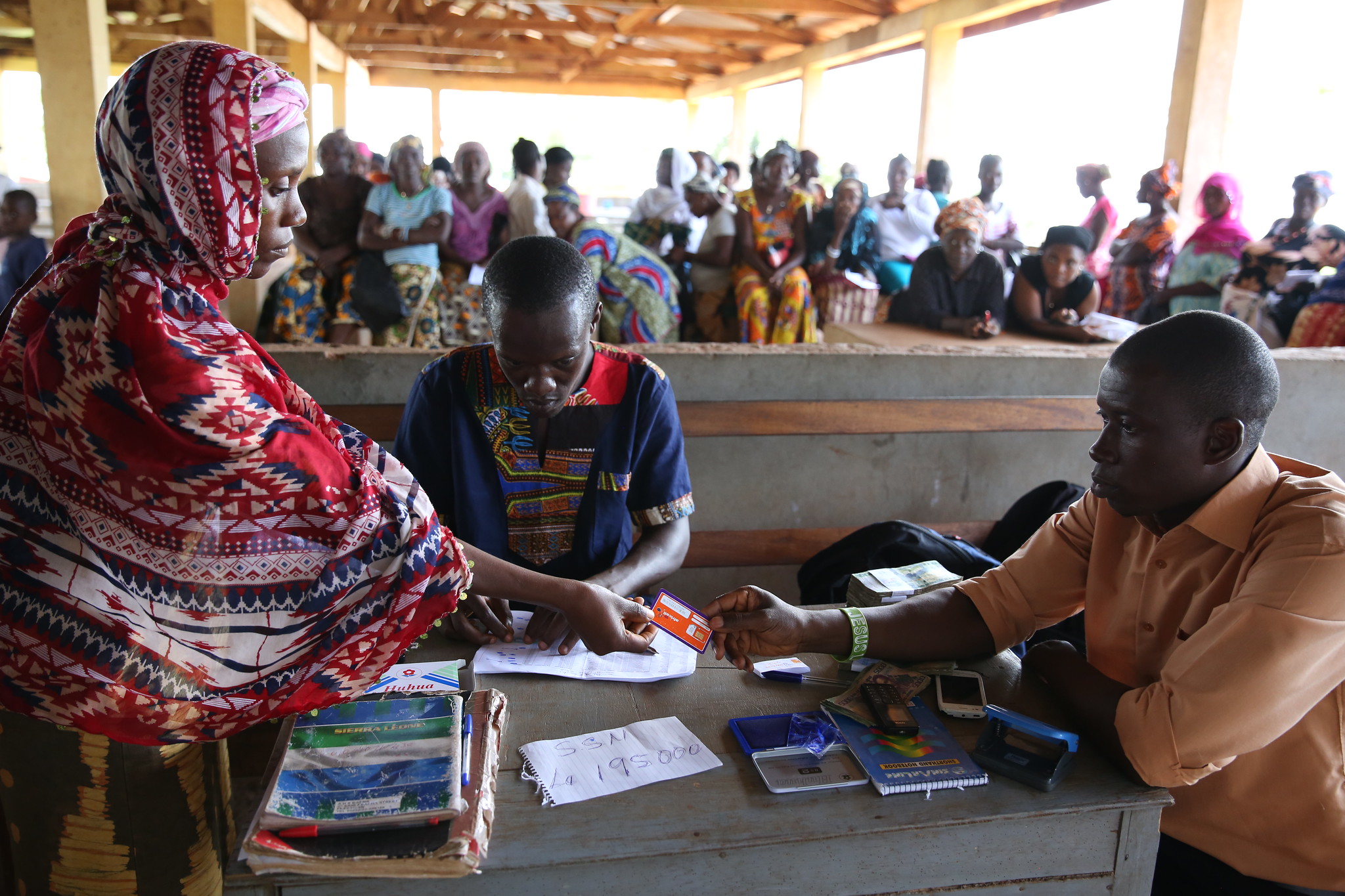
Many regard cash transfer programmes as cost-efficient tools to alleviate poverty across the Global South. But, as Guido Maschhaupt and Ahmed El Assal argue, in autocratic contexts, these programmes can have unintended – and politically significant – consequences. By supporting them, international aid donors may advertently bolster authoritarian regimes
PhD Candidate, International Institute of Social Studies, Erasmus University Rotterdam
Ahmed is a final-year doctoral candidate specialising in the political economy of development.
He holds a Master’s degree in Governance, Development, and Public Policy from the Institute of Development Studies at the University of Sussex.
His research agenda is twofold.
First, his doctoral research explores the politics of accountability and service delivery in Uganda’s competitive authoritarian regime.
He employs a structuralist political economy analysis of Uganda's political settlement and examines its impact on accountability relations in public service delivery.
The second strand of his research focuses on epistemic justice and knowledge production, with a particular emphasis on enhancing the role of Global South researchers in development studies as part of a broader decolonisation agenda.
Ahmed has published several journal articles on civil society, foreign aid, accountability, and epistemic justice.
He also has over 15 years' experience in the international development sector, at the intersection of governance, human rights, and economic justice.
We use necessary cookies to make our site work. We'd also like to set analytics cookies that help us make improvements by measuring how you use the site. These will be set only if you accept.
▼
Strictly Necessary Cookies
Necessary cookies enable core functionality such as security, network management, and accessibility. You may disable these by changing your browser settings, but this may affect how the website functions.
▼
Analytics Cookies
Google Analytics
We'd like to set Google Analytics cookies to help us improve our website by collecting and reporting information on how you use it. The cookies collect information in a way that does not directly identify anyone. For more information on how these cookies work please see our Privacy Notice.